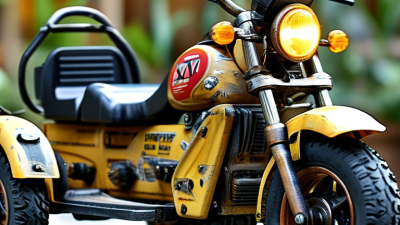
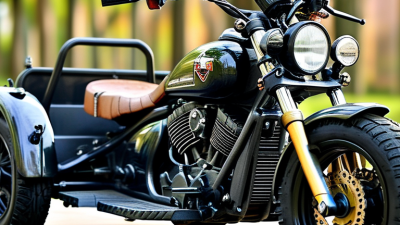
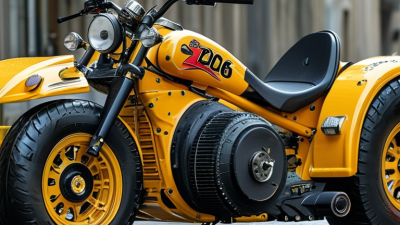
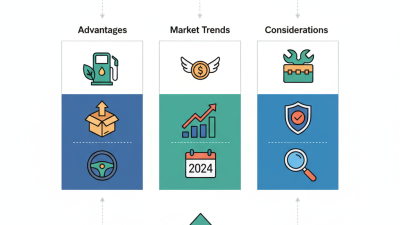
Looking for a reliable transportation option? The Durable Diesel Tricycle might just be what you need. It’s a tough, efficient little vehicle that can handle different kinds of terrain—perfect for a variety of work environments. Many businesses have actually started using these tricycles because they’re practical and dependable. The diesel engine is pretty solid too, meaning it can last a long time, which is super important if you're using it daily.
That said, there can be some hiccups—like finding good quality parts when it’s time for maintenance. Not all suppliers are the same, and sometimes service or parts availability can be a bit of a gamble. It’s not just about how reliable the vehicle is, but also about the support you get after the sale. Companies like XYZ Manufacturing have definitely built a good rep for producing quality and knowing their stuff in this area. Still, it’s smart to stay on top of product quality and make sure you’re getting good support.
All in all, while the Durable Diesel Tricycle does a great job for many people, it’s really important to think about your specific needs before jumping in. Knowing exactly what you need in a transport option can help you make a smarter choice. The tricycle’s efficiency keeps impressing folks, but being aware of its potential limitations means you can make the most of your investment. It strikes a solid balance between toughness and usefulness, but understanding what’s involved in keeping it running smoothly is key to making it work for you.
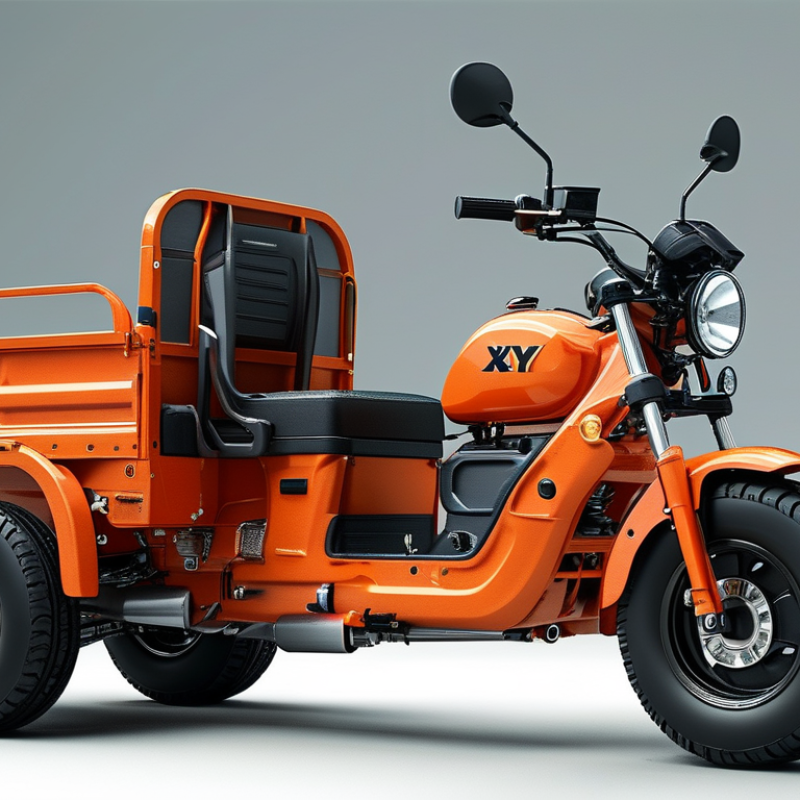
Durable Diesel Tricycle Overview: Key Features and Benefits
The Durable Diesel Tricycle presents an innovative solution for various transportation needs. Its robust design ensures longevity in tough environments. This tricycle is equipped with a powerful diesel engine, enhancing fuel efficiency and reducing operating costs. Its sturdy frame can handle heavy loads, making it ideal for commercial use. Users can expect reliable performance under different conditions.
Safety is a crucial feature of the Durable Diesel Tricycle. The vehicle is fitted with reliable braking systems and good visibility lights, ensuring safe travel, even at night. While it offers impressive advantages, some users mention the noise levels from the diesel engine as a drawback. Keeping maintenance in check is essential; neglect could lead to higher costs down the line.
Comfort is another consideration. The seating can be improved for long-distance travel. However, the practicality of this tricycle for urban logistics or rural deliveries cannot be overstated. Many find it a viable choice for businesses. Overall, the Durable Diesel Tricycle stands out for its quality and efficiency. Yet, there are aspects worth evaluating before making a purchase decision.
Industry Demand for Diesel Tricycles in Urban Transportation Solutions
Urban areas face increasing challenges in transportation efficiency. Diesel tricycles have emerged as a potential solution, offering a balance between durability and cost-effectiveness. According to a recent report from the International Energy Agency, the demand for cleaner urban transport modes is growing. By 2025, it's estimated that diesel tricycles could account for up to 15% of inner-city logistics transport. This highlights their potential role in reducing congestion and pollution.
Cities are looking for reliable transportation solutions that withstand rigorous use. Diesel tricycles fall into this category, with their robust designs tending to last longer than traditional vans. Data from the World Bank indicates that transportation accounts for nearly 25% of urban carbon emissions. Thus, adopting durable diesel tricycles could alleviate some environmental pressure. Yet, questions remain regarding emissions and regulatory compliance, making ongoing discussions essential.
Not all diesel tricycles can meet the varied needs of different urban environments. Some models may struggle with steep inclines or heavy cargo, leading to operational constraints. It's vital for operators to evaluate their specific needs carefully. Integrating alternatives like Durable Gasoline Tricycle is one strategy to enhance flexibility. As urban centers evolve, adaptability in transportation is crucial for sustainable growth.
Comparative Analysis: Diesel vs. Electric Tricycles in Performance
When exploring transportation solutions, diesel and electric tricycles stand out. Diesel tricycles offer impressive payload capacity and longer ranges. They excel in rugged terrains and are often preferred in rural areas. The sound of the engine indicates power, projecting reliability in demanding environments.
On the other hand, electric tricycles present a greener alternative. They are quiet, emitting no harmful fumes. Their performance can be limited in hilly regions. Charging time can be a concern for longer journeys. Some users find electric models insufficient for heavy loads.
Both options face their challenges. Diesel tricycles can be more costly to maintain, exposing owners to fluctuating fuel prices. Electric models, while environmentally friendly, require a robust charging infrastructure. It's essential to weigh these factors carefully. Reliable transportation is not just about performance; it’s about practicality and sustainability.
Fuel Efficiency Metrics: Diesel Tricycles and Their Operational Costs
The diesel tricycle market is expanding, particularly in rural and urban logistics. Diesel tricycles are known for their efficiency. When it comes to fuel consumption, they typically achieve 35-50 kilometers per liter. This fuel efficiency can significantly lower operational costs, making them attractive to small businesses.
Operational expenses vary widely based on usage. Maintenance costs are generally lower than traditional vehicles. However, the initial investment remains a consideration. Fuel prices fluctuate, impacting the overall cost effectiveness of diesel tricycles. Reports indicate that owners can save up to 30% on fuel compared to gasoline-powered alternatives.
Despite these advantages, there are challenges. Performance can diminish under heavy loads. And the potential for increased emissions raises concerns about environmental impact. Diesel Hillside Tricycle users must weigh these factors carefully. The benefits of fuel efficiency and lower costs must be balanced against the operational setbacks.
Environmental Impact: Emissions Data of Diesel Tricycles
The environmental impact of diesel tricycles has gained attention recently. Diesel engines emit significant levels of nitrogen oxides and particulate matter. These emissions can degrade air quality, affecting health and the environment. Many regions face increasing pollution levels. This has prompted a need to evaluate cleaner alternatives for transportation.
It is crucial to understand emissions data. Diesel tricycles often comply with certain emission standards, but they may not reflect real-world performance. Testing shows actual emissions can vary. Not all diesel vehicles are the same; some perform better under various conditions. Users should research their options carefully.
Tips for reducing environmental impact include regular maintenance. Keeping engines in good condition can lower emissions. Also, consider routes that minimize idle time. Every little effort counts towards a cleaner environment. Reducing trips or carpooling helps too. The choice of fuel can make a difference; cleaner fuels lead to fewer emissions. Staying informed and making conscious decisions can aid in reducing the negative effects of diesel tricycles.
Maintenance and Longevity: Expected Lifespan of Diesel Tricycles
The lifespan of diesel tricycles heavily influences their value in transportation solutions. Typically, these vehicles last around 10 to 15 years with proper maintenance. Research indicates that regular servicing can enhance their longevity significantly. A study found that vehicular upkeep increases life expectancy by nearly 30%. This is critical for businesses relying on these tricycles for daily operations.
Fuel efficiency is another key factor. Diesel tricycles generally consume 10-12 liters per 100 kilometers. This level of efficiency not only aids in long-term savings but also reduces the frequency of fuel-related issues. Many users report facing mechanical problems after extensive mileage. Recognizing this, industry experts recommend thorough inspections every 5,000 kilometers to prevent costly repairs.
Real-world experience shows that environmental factors affect durability too. Exposure to harsh weather conditions can lead to quicker wear and tear. Users must remain vigilant for rust and corrosion. Ultimately, while diesel tricycles present an effective transport solution, reflection on maintenance practices is vital for maximizing their lifespan.
Durable Diesel Tricycle for Reliable Transportation Solutions? - Maintenance and Longevity: Expected Lifespan of Diesel Tricycles
| Feature |
Expected Lifespan (Years) |
Maintenance Frequency (per Year) |
Common Issues |
Repair Cost Estimate ($) |
| Engine |
10-15 |
1-2 |
Oil leaks, overheating |
300-800 |
| Transmission |
8-12 |
1-3 |
Slipping gears, noises |
400-1000 |
| Brakes |
5-10 |
2-4 |
Worn pads, fluid leaks |
150-400 |
| Battery |
3-5 |
1-2 |
Failure to start, dim lights |
100-300 |
| Tires |
4-6 |
2-3 |
Punctures, uneven wear |
150-600 |
Market Trends: Growth Forecast for Diesel Tricycles in Various Regions
The diesel tricycle market is experiencing a noteworthy shift. Emerging trends show a significant potential for growth across various regions. In urban areas, these vehicles are praised for their efficiency. Their robust build can handle challenging terrains, making them reliable workhorses. In contrast, rural areas benefit from lower fuel costs and easy maintenance.
Tips: When considering a diesel tricycle, assess your transportation needs. Look for models that suit your terrain. Reliability is key, especially in remote areas.
Many buyers are uncertain about which features matter most. Prioritize durability and ease of use. A Diesel Workhorse Tricycle often proves to be a sound investment. It delivers consistent performance while requiring minimal upkeep. The evolving market indicates more models will focus on user-specific needs.
Tips: Always research the resale value of your chosen model. A reliable tricycle can maintain its worth over time. Check the reviews from other users for real-world insights.
FAQS
: Diesel tricycles provide transportation solutions that are durable and cost-effective for inner-city logistics.
They could help reduce urban carbon emissions as they replace traditional vehicles in logistics.
Their robust designs allow them to endure rigorous use and handle challenging terrains effectively.
Assess your specific transportation needs, cargo weight, and the terrain where it will be used.
Some models may struggle with steep inclines and heavy loads, limiting their operational capacity.
Flexibility can be enhanced by integrating alternative vehicles that match unique urban conditions.
Prioritize durability, ease of use, and performance to ensure a worthwhile investment.
Research user reviews and resale values to gauge performance and durability over time.
They show potential in reducing pollution, but ongoing discussions about emissions are crucial to sustainability.
There is a noteworthy shift towards increased efficiency and user-specific features in various regions.
Conclusion
The article discusses the "Durable Diesel Tricycle" as a viable solution for urban transportation, highlighting its key features and benefits. It examines the growing industry demand for these vehicles, emphasizing their performance compared to electric tricycles. Fuel efficiency metrics reveal the operational costs of diesel tricycles, making them an attractive option for many users. Additionally, the article addresses environmental impacts, providing emissions data that allows for a better understanding of their ecological footprint.
Maintenance and longevity are crucial factors, and the expected lifespan of durable diesel tricycles suggests a strong return on investment. Finally, market trends indicate a positive growth forecast for diesel tricycles in various regions, showcasing their potential role in future transportation solutions. Overall, the durable diesel tricycle emerges as a reliable and efficient option for urban mobility.