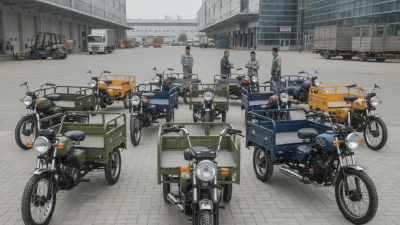
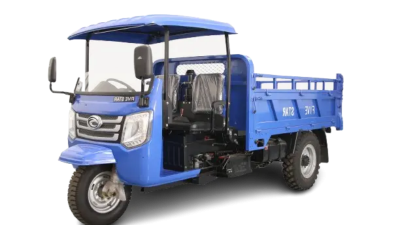
The 2026 Best Dump Gasoline Tricycle is shaping up to be a pretty innovative option for folks around the world looking for something that's both affordable and efficient. Whether you need it for versatile transportation or dumping tasks, it appeals to a wide range of users—businesses or just individuals who need a reliable workhorse. Made with quality materials, this tricycle is built to withstand different conditions, so it’s pretty durable and reliable.
In today’s fast-changing market, having a dependable vehicle really makes a difference. This Dump Gasoline Tricycle stands out thanks to its strong load capacity and user-friendly design. But, before you jump in, it’s worth thinking about whether it fits your specific needs. Do its features match what you're looking for? It’s a good idea to consider how investing in this will impact your work or projects in the long run.
And let’s not forget about the environmental side of things—gas-powered vehicles are definitely something to think about nowadays. Balancing the performance you want with eco-friendliness can be tricky. While this tricycle offers some pretty great perks, it’s important to weigh both the short-term benefits and the long-term effects before making your decision.
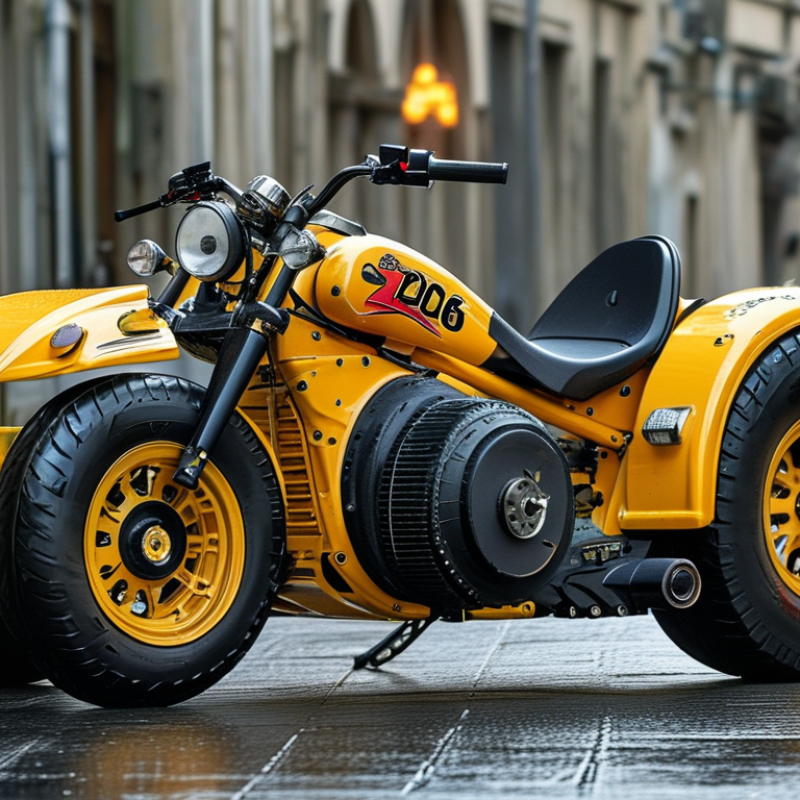
2026 Global Market Trends for Dump Gasoline Tricycles
The global market for dump gasoline tricycles is evolving rapidly. According to a recent report by Global Industry Analysts, the demand for Heavy-Duty Gasoline Tricycles is projected to grow at a compound annual growth rate (CAGR) of 6.5% from 2026. This growth is driven by urbanization and the need for efficient transportation solutions.
In many regions, these tricycles serve both commercial and residential purposes. They offer a versatile means for carrying goods in crowded urban environments. The affordability and ease of maintenance appeal to potential buyers. However, the industry faces challenges, such as environmental regulations and the push for electric alternatives. These factors can hinder the growth of gasoline-powered models.
Data shows that Asia Pacific is the largest market for these vehicles. Insights from market reports indicate that over 40% of global sales occur in this region. Despite this, buyers are becoming more discerning. There is a growing preference for models that provide better fuel efficiency and lower emissions. This shift emphasizes the need for manufacturers to innovate continually and address consumer concerns effectively.
2026 Global Market Trends for Dump Gasoline Tricycles
Key Features to Consider When Selecting a Gasoline Tricycle
When choosing a gasoline tricycle, several key features should guide your decision. Firstly, consider the engine capacity, which influences performance and efficiency. Reports indicate that gasoline tricycles with engines ranging between 125cc to 250cc tend to offer a balance of power and fuel economy. These models typically consume about 3 to 5 liters per 100 kilometers, making them practical for both short trips and longer hauls.
High ground clearance is another critical aspect. Riders often need to navigate rough terrains or urban environments filled with obstacles. A gasoline tricycle with high ground clearance can provide better stability and reduce the risk of damage. Many models excel in this area, offering at least 15 to 20 cm of clearance. However, a trade-off may occur with maneuverability in tighter spaces.
Durability and safety features are essential as well. Advanced braking systems can enhance safety, especially when transporting heavy loads. However, some users report issues with brake performance over time, raising concerns about reliability. It's vital to assess customer reviews and expert opinions to ensure the tricycle you choose meets rigorous standards without compromising your safety. Balancing these factors requires careful consideration, as each plays a vital role in the overall usability of the gasoline tricycle.
Environmental Regulations Impacting Dump Gasoline Tricycle Design
The design of dump gasoline tricycles is significantly influenced by environmental regulations. Manufacturers are now seeking innovative approaches to reduce emissions and enhance fuel efficiency. These regulatory changes create both challenges and opportunities in the industry. As consumers become more environmentally conscious, compliance with these regulations is essential for market competitiveness.
Tips:
When considering a purchase, check the emissions ratings. Products with better ratings often mean lower environmental impact. Look for models engineered to meet or exceed current regulations.
Additionally, designs are incorporating lightweight materials to improve efficiency. This shift not only meets regulatory demands but also enhances performance. However, manufacturers face the challenge of balancing durability and weight. It’s an area requiring ongoing improvement and innovation.
Further, emerging technologies like hybrid systems are on the rise. These solutions appear promising but come with higher initial costs. As a buyer, weighing upfront costs against long-term savings is prudent. Not all innovations will suit every user’s needs. User feedback plays a vital role in refining designs and functionalities. Buyers should engage in discussions and share experiences to guide future developments.
Comparative Analysis of Leading Brands in 2026 Tricycle Market
In 2026, the tricycle market is experiencing significant growth. Consumers are seeking reliable options for transportation. Among various models, the
Handlebar Gasoline Tricycle
stands out for its versatility. Buyers are interested in fuel efficiency, design, and usability. Analyzing these features helps make informed decisions.
Several brands are entering the marketplace, each with distinct offerings. Some excel in power and speed, while others focus on comfort. There are compelling features that might attract buyers, such as spacious storage and customizable designs. However, consumers must consider safety aspects. The choice of materials and build quality can significantly impact longevity and performance.
Despite the advancements, issues persist. Some tricycles boast strong engines, but their handling can be questionable. Buyers should reflect on how these factors align with their needs. Performance reviews and user testimonials can provide deeper insights. Exploring different options encourages better decisions, ultimately leading to greater satisfaction in the long run.
Cost-Benefit Analysis of Dump Gasoline Tricycles vs. Electric Alternatives
When analyzing the cost-benefit of dump gasoline tricycles versus electric alternatives, several factors emerge. A recent market report indicates that gasoline tricycles remain popular in regions with limited electric infrastructure. They can cost around $3,000 to $5,000, depending on specifications. Their lower initial investment appeals to many buyers. However, fuel prices fluctuate, often 15-20% higher than expected. This unpredictability can impact long-term ownership costs.
Electric tricycles present a different scenario. Charging costs can average $1.50 per day, translating to about $500 annually. While their upfront cost is higher, typically ranging from $5,000 to $8,000, maintenance expenses drop significantly due to fewer moving parts. A study shows that electric vehicles need 40% less maintenance, which can be a game changer for buyers focusing on long-term savings.
Yet, the availability of charging stations can hinder electric tricycles' adoption. Many areas lack adequate infrastructure, creating challenges for potential users. Buyers must weigh these factors carefully. The decision is not black and white; each option carries distinct pros and cons, challenging even the most experienced purchasers to reflect on their specific needs and circumstances.
2026 Best Dump Gasoline Tricycle for Global Buyers? - Cost-Benefit Analysis of Dump Gasoline Tricycles vs. Electric Alternatives
| Features |
Dump Gasoline Tricycle |
Electric Tricycle |
| Initial Cost |
$3,500 |
$4,500 |
| Fuel/Energy Cost (per mile) |
$0.15 |
$0.05 |
| Maintenance Cost (Annual) |
$300 |
$150 |
| Load Capacity (lbs) |
2,000 |
1,500 |
| Range (per charge/tank) |
150 miles |
80 miles |
| Average Lifespan (years) |
10 |
7 |
| Environmental Impact |
High |
Low |
Consumer Preferences and Usage Patterns for Gasoline Tricycles
The popularity of gasoline tricycles has surged in recent years, driven by their affordability and adaptability. According to a market report, demand for gasoline tricycles is projected to grow at a rate of 5% annually, suggesting a robust interest among global consumers. Many buyers appreciate their utility in urban settings as they provide an economical transport solution. However, insights reveal that consumers increasingly consider durability a critical factor. A "Durable Gasoline Tricycle" offers longevity and reliability, which cannot be overlooked.
Tricycle owners often report varied usage patterns. Some rely heavily on them for daily commuting, while others use them for small business operations. Data shows that around 60% of buyers prioritize fuel efficiency in their decision-making process. Surprisingly, less than 15% focus solely on price. This indicates a shift towards valuing quality over cost, highlighting the need for manufacturers to adapt to these changing consumer preferences.
Tips: When selecting a gasoline tricycle, consider long-term investment. Look for features that enhance durability, like reinforced frames. Regular maintenance is essential to prolong its life. A reliable tricycle means fewer breakdowns and more satisfaction in the long run. Don’t forget to evaluate your specific usage needs; this can point you in the right direction for the best choice.
Future Innovations and Technological Advancements in Tricycle Design
The evolution of tricycle design is remarkable. Recent industry reports indicate a growing demand for gasoline-powered tricycles, projecting a market growth of approximately 7.5% annually until 2026. These vehicles now blend functionality with innovative features, making them appealing to global buyers.
Emerging technologies are transforming tricycle capabilities. Enhanced fuel efficiency is a primary focus. Modern designs integrate lightweight materials and advanced aerodynamics. Reports suggest that lightweight frames can reduce fuel consumption by 15%. Additionally, improved engine designs are becoming crucial, boasting cleaner emissions without sacrificing power.
However, not every innovation is flawless. While high-tech components promise increased efficiency, they often elevate maintenance costs. Buyers may face challenges in finding skilled technicians for repairs. As the market expands, bridging this service gap should be a priority for manufacturers. Addressing these issues is essential for long-term success in the industry.
Exploring the Advantages and Features of the Diesel Tricycle 7YP-1750D4B for Efficient Transport Solutions
The Diesel Tricycle 7YP-1750D4B stands out as an efficient transport solution, particularly well-suited for various cargo transportation needs. Powered by the robust Changchai T25 engine, this tricycle delivers reliable performance while ensuring fuel efficiency. Its thoughtful engineering allows for a substantial rated load capacity of 3000 kg, making it ideal for businesses that require heavy-duty transport capabilities.
In addition to its powerful engine, the 7YP-1750D4B features a spacious cargo box measuring 2360 x 1500 x 450 mm, enabling users to carry a large volume of goods with ease. The incorporation of high-quality tires, with options of 6.00-14 or 7.50-16 sizes, further enhances stability and traction on various terrains. Additionally, the rear axle comes equipped with a full floating oil brake system and a 10th gear ratio, providing both safety and control during operation. The maintenance-free 12v120ah camel battery ensures that the vehicle is always ready for work, minimizing downtime and promoting productivity.
FAQS
: Look for engines between 125cc to 250cc for a balance of power and efficiency.
They typically consume about 3 to 5 liters per 100 kilometers.
High ground clearance provides better stability on rough terrains, but may affect maneuverability in tight spaces.
Advanced braking systems are essential, but check reviews for potential performance issues over time.
More buyers now prioritize durability and fuel efficiency over price when making their decisions.
Regular maintenance is crucial to prolong its lifespan and ensure fewer breakdowns.
There’s a focus on lightweight materials and better aerodynamics to enhance fuel efficiency.
Advanced features may increase maintenance costs and make finding technicians more difficult.
Assess how often you'll use the tricycle and what features will best suit your daily transportation needs.
The market is expected to grow about 7.5% annually until 2026, indicating strong demand.
Conclusion
The article titled "2026 Best Dump Gasoline Tricycle for Global Buyers" explores essential aspects of the dump gasoline tricycle market in 2026. It highlights global market trends, emphasizing the importance of key features when selecting a gasoline tricycle. The article also discusses the environmental regulations shaping the design of these vehicles and provides a comparative analysis of various brands in the market.
Furthermore, it examines the cost-benefit of dump gasoline tricycles compared to electric alternatives, shedding light on consumer preferences and usage patterns. Finally, the article looks ahead to future innovations and technological advancements that could enhance the performance and sustainability of dump gasoline tricycles, making them a viable option for buyers worldwide.