
Leave Your Message

Blog

What Are the Top Battery Tricycle Types for Buyers in 2026?

What Are the Top Battery Tricycle Types for Buyers in 2026?

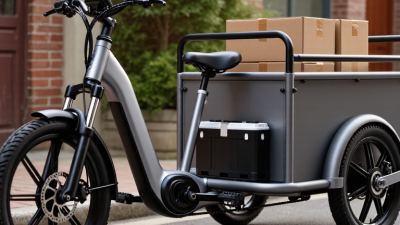
So you're thinking about getting a battery tricycle in 2026? Here's the thing – it's not just about that flashy range number they advertise. You've got to think about what you'll actually use it for every day. A family hauling groceries? You'll want different seating and stability than, say, a shop owner delivering boxes across town. And don't just glance at the specs – really compare payload ratings, braking, tire size, battery capacity, and make sure there's a local service center that can actually help you out. Oh, and one more thing: get the warranty terms in writing. Trust me, you'll thank yourself later. Honestly, range numbers can swing quite a bit—think steep hills, freezing temps, a car packed full of stuff, or all that stop-and-go driving. So yeah, treat them more like rough guesses, not hard promises. So, you've got a bunch of options here. There are cargo tricycles – those come with a platform on the front or the back, depending on what feels right. Then you have passenger models with a bench seat, which are pretty self-explanatory. If you're worried about rain or wind, they've got enclosed ones that keep you covered. And for people who haul stuff all the time, there are utility versions built tough for that kind of abuse. So yeah, plenty to pick from. If you're an operator who's tired of waiting around for charges, a battery-swappable electric tricycle could be a game-changer. But hey, before you get too excited, you gotta check the battery weight, how much it costs to replace, and if you can even get your hands on one. It's the little things that trip you up, you know? First off, you'll want to check if a loaded vehicle can actually fit through your storage gate. Also, see how the controls feel at low speed – are they manageable? And don't forget about the brakes – they should be easy to reach. When possible, ask for a supervised test ride with a realistic load – that's a game changer. Then, compare the manufacturer's specs with the written service and parts info. I wouldn't just assume the most powerful model is the best – extra capacity often means more cost and bulk, so weigh that. And honestly, even with all that, some product listings still leave you with unanswered practical questions. So, you're on the hunt for something? This guide walks you through the various types you'll likely run into, and it also gives you the lowdown on what to check before you make it official.
Read more »
Lila By:Lila - November 8, 2026
How to Choose the Best Cargo Tricycle for Your Business?

How to Choose the Best Cargo Tricycle for Your Business?

Look, picking the right cargo trike isn't about making a style statement—it's a straight-up business call. It changes how fast deliveries get done, whether your team is comfortable, and how many trips you can knock out in a day. A bike can look rock-solid in the showroom, but on a tight street it might feel like a tank. So it's all about the routes you actually ride. Daniel Mercer, who advises cargo fleets, puts it this way: 'Pick for the heaviest load you'll carry regularly and the tightest route you'll actually ride, not some perfect day.' That's a solid rule, but honestly, it can't replace an actual test ride. So when you're talking to suppliers, ask them for verified payload limits, braking specs, battery range under load, and clear warranty details. And then, you know, test the tricycle yourself with the boxes, hills, and turning spaces your team really deals with. You know, it’s really the little things that matter. Can someone actually reach the lock while wearing thick gloves? Will the cargo box stay put when the pavement gets bumpy? And what about pulling the battery out for a charge—is that a hassle? A Family Cargo Tricycle might be a good fit if you’re juggling both work and family, but here’s the catch: passenger seating eats into your cargo space. Honestly, that trade-off is way too easy to overlook. So, this guide walks you through frame layouts, load capacity, power assistance, safety features, service support, and what you’ll actually pay over time. It’ll also flag where the spec sheets kind of leave you hanging. Honestly, a test ride can tell you a lot. And having a real talk with your riders? That helps too. The right choice isn’t necessarily the cheapest one, or the strongest. It’s the one that fits your day-to-day work—and still feels like a good call after that first hectic season.
Read more »
Lila By:Lila - November 7, 2026
How to Choose a Gasoline Tricycle for Your Business

How to Choose a Gasoline Tricycle for Your Business

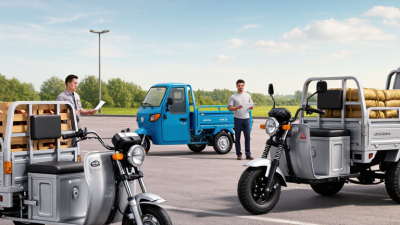
Okay, so you're looking at a gasoline tricycle for your business. It's easy to get caught up in engine size or the purchase price—but honestly, that's only part of it. You've got to think about the everyday stuff: what you're hauling day in and day out, what your routes actually look like, how easy it is to maintain, and who's going to be driving the thing. A bakery doing quick city deliveries might just need a compact cargo bed and something that handles well. A farm hauling feed over rough ground? That's a different story—you'd want sturdier suspension, brakes you can rely on, and decent ground clearance. The right choice is the one that fits the real work, not just the one that looks tough sitting in a showroom. Okay, so for this guide, we’ve got a fictional fleet adviser—Alex Morgan—who puts it pretty simply: “Buy for the heaviest routine load, not the occasional impressive haul.” That’s a solid starting point, sure, but it’s not a replacement for checking the manufacturer’s specs or actually getting a hands-on look at the vehicle. You’ll want to compare things like rated payload, fuel consumption, turning radius, parts availability, warranty support, and service intervals—you know, the stuff that matters day in and day out. You know, a heavy-duty gasoline tricycle can be a real workhorse on demanding routes. But here’s the catch: bump up to a larger model, and you’re looking at higher running costs—plus it’s not exactly fun to wrestle around tight yards. Honestly, the little things are what get you. Does the cargo bed actually fit your crates? Do the controls feel right after a test ride? And is there a shop nearby that can handle routine service? Don't be shy—ask suppliers for written specs, and make sure you know exactly what the warranty covers. Also, don't take advertised capacity at face value; it may not hold up on every road or with your specific operating pattern. There's no such thing as the perfect trike for every business. Sometimes your first pick looks great, but a loaded test run will show you where the blind spots are. Look, that’s something worth owning up to—and fixing before you actually buy.
Read more »
Ethan By:Ethan - November 6, 2026
What Is a Canopied Electric Tricycle?

What Is a Canopied Electric Tricycle?

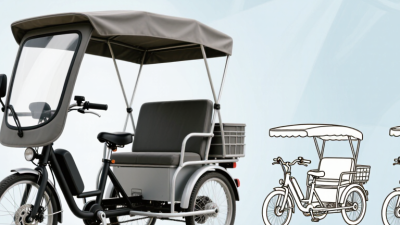
So, a Canopied Electric Tricycle is basically what it sounds like—three wheels, a bit of electric assist, and a covered riding area. The canopy’s nice because it gives you shade and helps keep you dry if it starts to drizzle. And with the motor giving you a hand as you pedal, everyday trips feel a lot easier. The design isn't set in stone, you know? Like, some come with an open-sided canopy, others throw in a windscreen, a storage basket, or even a passenger seat. And honestly, those little details really change the vibe when you're out on a grocery run or just cruising through the neighborhood—even a slow commute feels totally different. Okay, so for this intro, we've got Alex Morgan – our electric-mobility product specialist – but just to be clear, they're a fictional voice, not someone you'd actually go verify as an industry source. The illustrative quote we're leaning on is: 'A canopy is useful only when it protects without making the tricycle harder to see, handle, or park.' That really nails a practical design dilemma, doesn't it? I mean, sure, a wider roof gives you more shade and coverage, but then you're hauling around extra weight and catching more wind – and that's a real trade-off. And honestly, the little details? That's where the magic happens. So, when you're checking out the canopy, you really want to look at the frame, see how much visibility you get, and think about whether you can easily get in and out. Also, consider how simple it is to remove or adjust the whole setup. A dry seat and shaded handlebars? Definitely a plus. But if you have to contort yourself just to get inside, that's a total deal-breaker. So, this guide is all about Canopied Electric Tricycles – what they are, how the main parts actually work together, and the stuff you'll probably want to compare if you're in the market. Plus, we'll get into some trade-offs that product descriptions tend to gloss over – like ventilation, storage, battery range, and how much room you need to turn the thing. Specs only tell you so much, honestly. If you can test ride it, do that – you'll quickly notice if the canopy is loose or the seat is cramped, stuff that a photo just won't show you. And let's be real – some designs are perfect for one person and totally frustrating for someone else. That's just how it is, and it's worth admitting.
Read more »
Ella By:Ella - November 5, 2026
Top Electric Tricycle Complete Vehicle Manufacturers

Top Electric Tricycle Complete Vehicle Manufacturers

Picking a solid electric tricycle manufacturer isn't just about crunching numbers or swooning over pretty pictures online. You've got to get your hands dirty – examine the frame's construction, how they've integrated the battery, how well it brakes, what it can actually carry, and whether they've got your back with service. Honestly, that's where the good ones stand out. You know, spec sheets can only tell you so much. You really have to take a bike for a spin to see what it's actually like. That's when you notice the little stuff—like a cargo bed that rattles over every bump, or steering that feels all wonky at low speeds, or a battery that's a real hassle to take out. And honestly, those small details? They matter more than you'd think. Okay, before we get into the details, let me just clarify something: Dr. Elena Park isn't a real person. She's a made-up expert we created to represent a common viewpoint. Her quote, which goes something like “a dependable electric tricycle is proven on ordinary routes, under real loads, and through consistent after-sales support,” is also something we wrote—not something she actually said. That might sound obvious, but it’s a crucial distinction when you’re evaluating claims from manufacturers. Just keep that in mind, alright? Look, we didn't just pick these manufacturers randomly. We actually looked at practical stuff like how much they can produce, what models they offer, the quality of their components, how much you can customize, and whether their warranties are clear. But honestly, some things are just tough to compare between brands. For instance, the range numbers they publish might be based on different loads, terrain, or even how you ride. So here's a tip: ask for test results and service terms in writing, and make sure you're comparing similar setups. In the end, there's no perfect list – it's all about what works for you. Here's the thing: a supplier that's aces for urban deliveries might totally flop for passenger transport or rural work. You really need to look at the nitty-gritty—your actual route, daily mileage, and how easy it is to get repairs locally. That's what'll help you cut through the noise and pick the right one.
Read more »
Ella By:Ella - November 4, 2026
What Is a Diesel Tricycle Complete Vehicle?

What Is a Diesel Tricycle Complete Vehicle?

So, a Diesel Tricycle Complete Vehicle is basically a ready-to-run three-wheeler—not just a loose diesel engine or bare chassis. It usually comes as a full package: engine, transmission, frame, steering, brakes, wheels, controls, and either a passenger or cargo body. The exact specs? Well, those can vary quite a bit depending on what you need. You know, a cargo model might just come with a flat steel bed, while the passenger version gets an enclosed or covered cabin. But the real differences? You gotta look close—brake feel, weld quality, engine vibration, and how it actually behaves once you pile on a real load. You can’t really look at diesel tricycles in isolation—the broader transport picture matters a lot. According to the International Energy Agency’s Global Energy Review 2023, road transport was responsible for roughly 6.1 gigatonnes of CO2 back in 2022. And that’s all road traffic, not just tricycles. So when you’re comparing vehicles, it’s worth paying close attention to fuel use, maintenance, and emissions—they add up more than you’d think. So, Daniel Sperling—he’s a transportation researcher and the founding director of UC Davis’s Institute of Transportation Studies—is known for looking at transportation as this whole connected system: vehicles, fuels, infrastructure, all of it. Now, I tried to find an actual published quote from him specifically about diesel tricycles, but I couldn’t. And I’m not going to just slap one on here. That distinction matters, you know? You really can’t judge a vehicle just by its engine size. It’s more like a whole working system—you’ve got to think about what you’ll haul, where you’ll drive it, how often it needs service, and what it’ll cost to run. And honestly, a test drive can tell you things a spec sheet just won’t. That said, I’d still double-check everything against the manufacturer’s docs.
Read more »
Lila By:Lila - November 3, 2026
Why Choose a 3 Wheel Motorcycle for Your Business?

Why Choose a 3 Wheel Motorcycle for Your Business?

So, you're thinking about getting a 3-wheel motorcycle for your business? It really comes down to what you need it to do every single day. Think about your usual route, how much you're hauling, where you're going to park, and how far apart your stops are. A delivery rider weaving through traffic is going to need something different than a tradesperson hauling tools from job to job. And honestly, it's the little things that catch you off guard—like a tight loading bay, a steep driveway, or rain every other day. Those can totally change what feels practical. So, you’re checking out a Front Three Wheel Motorcycle? It can be a solid fit for businesses that want a different mix of maneuverability and support. But here’s the thing—design alone won’t tell you whether it’s right for your operation. You’ll want to look closely at the manufacturer’s specs: payload, range, braking system, service intervals, and storage options before you make a call. One thing I'd definitely do is have a chat with a qualified dealer about parts access and servicing in your area. And if you can swing it, try to get a supervised test ride with a load that's kind of representative of what you'd actually carry. That makes a real difference. When you're out riding, really feel how the steering responds at low speeds — like, really notice it. Also, pay close attention to how the vehicle behaves when you stop, turn, and park. That's where the little quirks tend to pop up, you know? Honestly, there’s no such thing as a perfect fit. And real operating costs? They can be way off from your estimates, especially once routes or workloads shift. So don’t just look at the sticker price—factor in servicing, fuel or energy, insurance, and even expected downtime. Get everything in writing, and ask them to spell out any assumptions before you commit. Taking the time to compare all that can help you figure out if a 3-wheel motorcycle actually makes sense for your business, or if it’s just an upgrade that looks cool on paper.
Read more »
Ella By:Ella - November 2, 2026
Why Choose a Cargo Tricycle for Your Business?

Why Choose a Cargo Tricycle for Your Business?

If you run a small business, a cargo tricycle can honestly be a game-changer for short local deliveries. Think about it—a bakery hauling bread trays through narrow streets, or a market vendor shuttling produce between nearby stalls. The cargo area keeps everything together, and those three wheels give you a steady platform, as long as you don't overload it. But here's the thing: capacity really matters. That model that looks huge in the showroom? Yeah, it can feel pretty cramped once you throw in boxes, tools, and rain covers. Honestly, choosing the right tricycle really comes down to the routes you'll actually ride and how much you'll be loading it up. Don't just skim the brochure—dig into the rated payload, cargo dimensions, brakes, turning radius, and whether spare parts are easy to come by. And ask the important questions: how does it handle steep hills and rough pavement? Will the range get you through a typical workday? Those answers tell you a lot more than some vague promise about efficiency. Test rides with real weight matter, too. Try a few small loads, maybe even run your normal route. Because weather, hills, and constant stopping can completely change the experience. You know, a Family Cargo Tricycle can be great for juggling everyday household stuff and maybe some small business errands. But here’s the catch: being family-friendly doesn’t automatically mean it’s ready for commercial work. You’ve got to compare the configuration against what you actually haul, how you like to keep your storage organized, and whether the ride feels comfortable for you. And don’t forget to think about where you’ll park and charge it, if that applies. Let’s be honest—a tricycle isn’t going to be the right fit for every delivery gig. If you’re hauling heavy stuff or covering long distances, you might need something else. And that’s okay to admit. The real trick is knowing exactly what your business needs and comparing your options carefully. Then you can tell whether a cargo trike actually makes sense, instead of just picking one because it looks cool.
Read more »
Ella By:Ella - November 1, 2026
How to Choose a Durable Gasoline Tricycle in 2026?

How to Choose a Durable Gasoline Tricycle in 2026?

When you're picking a durable gasoline tricycle in 2026, it really comes down to what you need it to handle. A trike might look tough in the showroom, but once you actually use it day in and day out, the weak spots start showing. Rain, rough roads, heavy loads, constant stop-and-go—they all put stress on different parts. And honestly, durability isn't just one thing. Honestly, it all comes down to a few key things: a solid frame, an engine that actually fits how you ride, brakes you can trust, and maintenance that won't become a nightmare. Before you start comparing models, think about your usual route, what you'll be hauling, whether you need to carry passengers, and how easy it is to get it serviced. Then take a close look at the welds, tires, suspension, controls—and don't skim over the warranty. It's the little stuff that ends up mattering the most. Okay, so when you're comparing models, you really need to dig into a few things—not just the specs on paper. First, look at the stated load capacity and be honest about what you'll actually be hauling. You don't want to find out later it's not enough. Also, check the recommended maintenance intervals; some machines need a lot more babysitting than others. And don't be shy about asking where replacement parts come from, and whether a local technician can actually work on the engine. Here's the thing: a shiny, polished finish can hide a lot of weaknesses. So get on the tricycle for a test ride. Pay attention to how it starts, how it turns, and how it handles even a modest incline. That'll tell you more than the brochure ever will. Look, no matter how carefully you check things, you’re never going to catch every repair in advance. So be realistic and set aside a decent maintenance budget. Honestly, some specs look amazing in the brochure, but on your actual route they don’t matter all that much. The real trick is balancing the purchase price with reliability, comfort, safety, and whether you’ll get good support down the road. Use the guidance ahead to match verified specs to the conditions you’ll actually be working in—not just assumptions. Because let’s face it, no single model fits every job.
Read more »
Ethan By:Ethan - October 31, 2026
China Top 10 Electric Tricycle Exporters for Global Buyers

China Top 10 Electric Tricycle Exporters for Global Buyers

Alright, so you're hunting for electric tricycle exporters in China? It's not just about comparing prices, honestly. You've got to look at the bigger picture – like, does the product actually fit what you need? What about their manufacturing capabilities? How's their communication? And let's not forget after-sales support – that's a biggie. This guide walks you through ten different exporters for folks buying internationally, but we really focus on the little things that matter before you commit to a purchase order. First things first, let's talk about the vehicle. A cargo tricycle that's built for market deliveries might not cut it if you're planning to carry passengers or deal with hilly routes. So, you need to ask for clear specs—battery options, load capacity, brake details, and definitely some photos of the finished product. Also, request a sample quote that breaks down the costs separately: vehicle, packaging, and shipping. Trust me, leaving out even small details can really mess up your planning later on. Look, you've really got to dig a bit deeper into who you're dealing with—don't just skim the surface. I mean, check out their official legal name, the actual factory address, what they really produce, and how they handle quality control. And don't forget to ask about spare parts and warranty stuff—like, how do they help you out if something breaks down? A quick reply is nice and all, but honestly, written answers and consistent records tell you so much more. A flashy catalogue can be pretty misleading, you know? It's the real-world reliability that actually counts. So, "Export Electric Tricycle" – that phrase covers a lot of ground. It's not just one thing; it's a whole range of products and buyer needs. That's why you shouldn't just look at some generic ranking of exporters. Instead, think about your own situation – your route, the climate, what you're hauling, and what services you can rely on. Compare them on that basis. This overview is here to help you do that comparison, but at the end of the day, you've got to do your own homework. It's not a substitute for due diligence. Look, I get that it'd be nice to have a named expert quote in here, but we don't have a verifiable source to back it up. And honestly, that's a real problem. If we just made something up, buyers would see right through it, and trust would go down the drain. So before we hit publish, let's find an actual qualified person in the electric tricycle export field, get their take, and make sure we check their name and role directly.
Read more »
Ethan By:Ethan - October 30, 2026
China Top 10 Cargo Tricycle Manufacturers

China Top 10 Cargo Tricycle Manufacturers

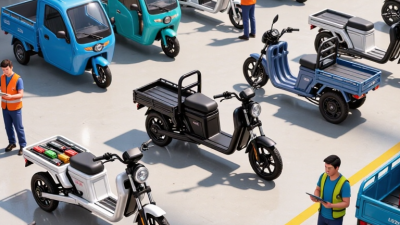
When you're talking about China's top cargo tricycle makers, you're really looking at a market where the streets are packed, deliveries tend to be short hops, and there's this ever-growing need for practical urban transport. It's not just about raw power, either. Buyers actually dig into the details—stuff like frame strength, how much weight it can carry, braking performance, battery range, how easy it is to get service, and whether spare parts are around when you need them. Those are the things that really matter on a daily basis. So, the World Economic Forum put out this report back in 2020 called 'The Future of the Last-Mile Ecosystem.' According to their projections, urban last-mile delivery demand might jump by a whopping 78% by 2030. And get this – they're also expecting 36% more delivery vehicles on the road, with emissions up by 32% as a result. Of course, these are just forecasts, not guarantees. But they do explain why everyone from businesses to city planners is getting pretty excited about compact electric freight vehicles. Transportation researcher Christopher Cherry has dug deep into electric bikes and their impact on transport. The way I see it, his big idea boils down to this: you've got to judge a vehicle by how it actually performs in the real world, not just on paper. And to be honest, that's my paraphrase, not a direct quote from him. For manufacturers, the real test isn't complicated: can a loaded tricycle keep up with constant stops, rough pavement, and a full day of work? That's what it comes down to. Family cargo trikes, though—they're a whole different ballgame. It's not just about hauling stuff; you've got to think about passenger comfort and keeping things stable on the road. The little things, like how it handles corners or where the weight sits, they really can make or break the ride. And let me tell you, those small details? They matter a lot. Okay, so when you're looking at the brands in this guide, you've got to compare them properly - I'm talking real specs, their track record in production, quality control, and the kind of after-sales support you can expect. A glossy brochure might look nice, but it's not going to save you if the bike falls apart, right? You need to actually test ride it and check the warranty terms. And hey, this list is just a starting point - don't take it as the ultimate verdict. Because, you know, specifications and service quality can vary a lot depending on the model and even the region you're in.
Read more »
Ella By:Ella - October 29, 2026
How to Choose a Durable Gasoline Tricycle for Your Business

How to Choose a Durable Gasoline Tricycle for Your Business

When you're running a business that relies on daily deliveries, picking a durable gasoline tricycle is a pretty smart move. It's not just about looking tough—it actually impacts how fast you get things done, your fuel budget, how your drivers feel after a long day, and even whether your customers keep trusting you. Funny enough, a vehicle that looks super strong on the outside might not be the most dependable one. So, it's really the little things that end up mattering a lot. So, when you actually get down to using a tricycle out on the streets, you'll find it hauling all sorts of stuff—vegetables, tools, parcels, maybe even construction materials—over roads that are anything but smooth. That means the frame has got to be tough enough to handle constant heavy loads without bending or flexing too much. And imagine parking it overnight, then expecting it to start up smoothly the next morning—yeah, the engine needs to be reliable like that. Brakes? They've got to respond evenly, even when the cargo bed is packed to the brim. Now, before you hand over your cash, take a good look at the tires, suspension, lights, steering joints, and fuel lines. All those checks tell you a lot more than some pretty pictures in a sales ad ever will. You know, specs are one of those things you really can't gloss over—they deserve a good, hard look. I mean, pay attention to stuff like payload ratings, engine size, fuel economy, how the gearbox behaves, and even how often you'll need to bring it in for maintenance. And hey, before you commit, ask if replacement parts are actually available nearby—there's nothing worse than being stuck waiting weeks for a simple fix. Get the warranty in writing, too; don't just take someone's word for it. A decent supplier will walk you through the service stuff clearly and give you a realistic idea of when you'll get your order. On top of that, digging into independent reviews, chatting with mechanics, and hearing from people who've owned the thing for years can really give you a clearer picture. It's all about doing your homework so you don't get blindsided later. You know, comfort is something you really shouldn't overlook. If the seat's firm, the controls feel right, and you're shielded from the weather, it makes a huge difference during those long shifts. And hey, if you get the chance, take the trike out on some slopes, tight corners, and rough roads—just to see how it handles. Honestly, no model's perfect, right? Even a thorough checklist can miss stuff like hidden wear or sloppy assembly. That's exactly why a short test drive and a professional once-over are worth it. So, the best durable gasoline trike isn't just about raw power—it's got to fit your cargo, your routes, your budget, and what you can actually maintain. Look, don't just take someone's word for it—check what they've actually done. Real trust? That comes from making smart calls, not crossing your fingers and hoping for the best.
Read more »
Ethan By:Ethan - October 28, 2026
Why Choose a Dump Gasoline Tricycle for Global Buyers?

Why Choose a Dump Gasoline Tricycle for Global Buyers?

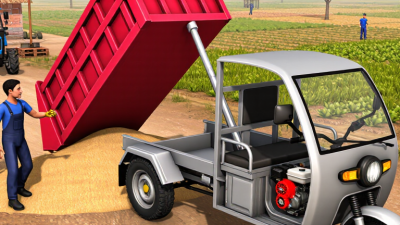
You know, people around the world are starting to take a second look at small transport vehicles for farms, markets, workshops—even construction sites. And honestly, the Dump Gasoline Tricycle kind of hits a sweet spot. It’s got enough carrying capacity, it can squeeze through narrow lanes, and the mechanical side is pretty straightforward—nothing overly complicated. Plus, that tipping bed? Super handy for hauling sand, feed, tools, or whatever you just picked from the field. That really matters in places where roads are rough and delivery distances are short. The World Bank’s Logistics Performance Index 2023 looks at a bunch of things—infrastructure, how reliable shipments are, tracking, and whether deliveries actually arrive on time. These are exactly the factors that shape transport decisions for small businesses. And in many developing markets, buyers also care about fuel availability and access to repairs. A gasoline engine, for instance, can usually be fixed by a local mechanic using tools they’re already familiar with. That’s a genuine advantage. Not a perfect solution, sure, but a real one. You know that big report from the International Energy Agency, the Global EV Outlook 2024? It’s kind of fascinating—electric three-wheelers are really taking off, especially in Asia. But this isn’t just about electric replacing gas. It’s more nuanced than that. Sure, electric models cut down on emissions, but gas-powered ones still have that range and refueling flexibility, especially in places where charging stations are few and far between. When you're shopping for a dump gasoline tricycle, you really need to look beyond the sticker price. Check things like payload ratings, how the brakes hold up, tire quality, fuel consumption—and don't forget spare parts availability and operator protection. The ILO has also stressed, across all industries, how important risk prevention, proper training, and safer equipment are. Honestly, a low price doesn't tell you much. Once you start using it on real job sites, you'll often discover maintenance costs you never saw coming. That's why it's worth doing some local testing, talking to suppliers, and being realistic about what your daily workload actually demands. When global buyers sit down to make that big decision, they really want it all: productivity, reliability, and responsible operation—all wrapped into one.
Read more »
Ethan By:Ethan - October 27, 2026
China Top Electric Shuttle Bus Suppliers for Global Buyers?

China Top Electric Shuttle Bus Suppliers for Global Buyers?

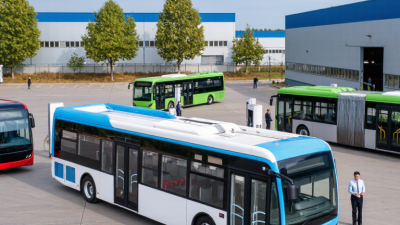
So, you're looking into electric shuttle buses from China, right? Yeah, it's become a huge go-to spot for sourcing electric mobility, but here's the thing—picking the right supplier isn't just about who's got the lowest price. You really need to dig into their track record, how they handle parts sourcing, their quality checks, and whether they've got your back after the sale. Like, what happens six months down the road if something breaks? That matters. This guide is all about helping you sort through the top Chinese suppliers, whether you're running a hotel, a resort, an airport, a campus, a factory, or a tourism gig. It's kind of a goldmine out there, but you've got to know where to look, right? So, here’s the thing about electric vehicle makers like Marshell, Suzhou Eagle, and Nantong Sanli—they each bring something different to the table. Sure, they’re all in the same game, but you’ll see differences in things like how many passengers they can carry, the type of battery they use, and even how long it takes to charge. Some might have a better chassis design, while others go for longer driving range. It’s not just about specs on paper, though. If you’re thinking about buying one, you’d want to look at the actual factory, check what kind of warranty they offer on the battery, and make sure spare parts won’t be a headache down the road. And honestly, a test drive is a must—numbers can only tell you so much. Get a feel for it yourself, you know? You'd think paper specs would be straightforward, but honestly, they can really throw you off sometimes. Here's the thing: a bus that's advertised as having long range might not perform so well on steep slopes, in heavy traffic, or in scorching heat. Before you place a big order, you really want to ask for load-tested data, check out a sample vehicle if possible, go through their inspection records, and get some references from customers who've actually used them. Also, think about the destination market requirements—braking systems, lighting, electrical safety, proper labeling, and all the import paperwork—that's a whole checklist you can't skip. And one more thing: try talking to the supplier directly. If they give you clear, straightforward answers, that's usually a sign they know what they're doing and have solid operations. Alright, so in this article we're not just talking about the Electric Shuttle Bus in isolation. We also take a moment to compare it to smaller products like the Two Seat Electric Tricycle. And honestly, that comparison is a game-changer. It stops buyers from ending up with something that can't handle the passenger flow, doesn't protect against weather, or just won't last through the daily grind. And hey, no supplier is perfect, so you've got to do your homework. Look, even the big players in manufacturing can sometimes slip up on lead times or give you a hard time with customization. So what do you do? You've gotta blend a few things: run tests on your specific site, make sure the contracts are crystal clear, get an independent inspector in there, and be realistic about what maintenance will actually look like. Trust me, that combo makes a world of difference. You'll end up buying safer and your fleet will run reliably, which is what we all want, right?
Read more »
Ethan By:Ethan - October 26, 2026
How to Choose the Best Battery Tricycle for Your Business?

How to Choose the Best Battery Tricycle for Your Business?

Picking the right battery tricycle for your business? Honestly, it starts with the actual work—not the shiny showroom. A delivery route through crowded streets is going to need something pretty different from what a farm, warehouse, or neighborhood service team needs. So think about payload, road surface, how far you go each day, where you'll park it, and how you'll charge it. If you're hauling 150 kg of parcels, you may need stronger brakes, wider tires, and a reinforced cargo frame. But if you're a smaller food vendor, maneuverability might matter way more than max capacity. Here’s something Maya Thompson—an independent commercial-mobility consultant—put pretty well: “Choose the tricycle around the route, not the showroom.” And honestly? That’s worth paying attention to. A model can look amazing on the floor, but it might struggle on steep streets or when you’re doing nonstop stop-and-go deliveries. The little details really do matter. So before you start comparing specs, go measure the actual route first. A Battery-Swappable Electric Tricycle can definitely help cut downtime—but only if your operation has spare batteries and a safe charging area. That said, battery swapping does add cost, storage needs, and staff training. Honestly? We might be overestimating how convenient it really is. So, when you're checking out an e-bike or whatever, definitely look at things like battery weight, how much a replacement costs, how many charge cycles it’s good for, what the warranty actually covers, and whether there’s local service support. And don’t forget to ask: can the motor really handle your usual load without overheating? Honestly, reliability isn’t something you can judge from a spec sheet—you’ve got to test it in the real world. Take the vehicle out on your own route. Pile on the kind of cargo you’d actually carry. See how it turns when there are parked cars nearby. And listen closely: any frame noise? Braking vibration? A supplier’s brochure won’t tell you all that. That’s where this guide comes in. It helps business owners compare the stuff that really matters—performance, running costs, comfort, safety features, and long-term support—before they put money into a Battery Tricycle that makes sense for them.
Read more »
Ethan By:Ethan - October 25, 2026