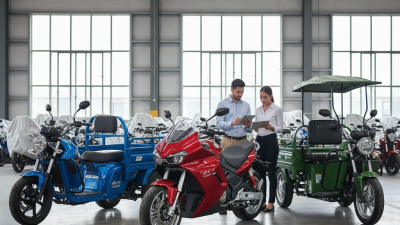
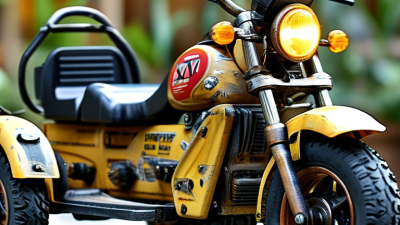
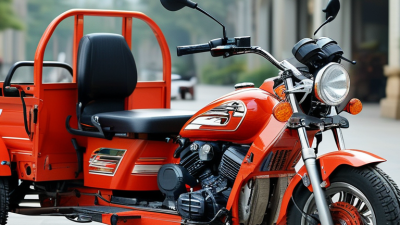
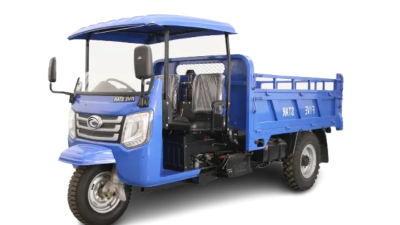
In today’s super competitive market, businesses are always on the lookout for fresh, innovative solutions to tackle operational challenges. One really cool option that's been catching attention lately is the Mining Diesel Tricycle. It’s a pretty versatile vehicle that offers a bunch of benefits, especially when it comes to boosting efficiency.
For companies involved in resource extraction or construction work, this little machine truly stands out. It’s built to handle tough, rugged terrains without breaking a sweat. Plus, these tricycles can move materials around quickly, which helps keep everything running on schedule. That said, not every business seems to be making the most of what these tricycles can offer.
Sure, they’re pretty cost-effective, but some folks wonder if they’ll hold up over time. Regular maintenance is definitely key if you want them to last. And honestly, some companies might hesitate because they’re not quite sure if it’s worth investing in this tech. But honestly, once you look at the benefits—like better logistics and lower operational costs—it's hard not to see the value. Jumping on board with the Mining Diesel Tricycle could be a total game-changer for businesses ready to step up their game.
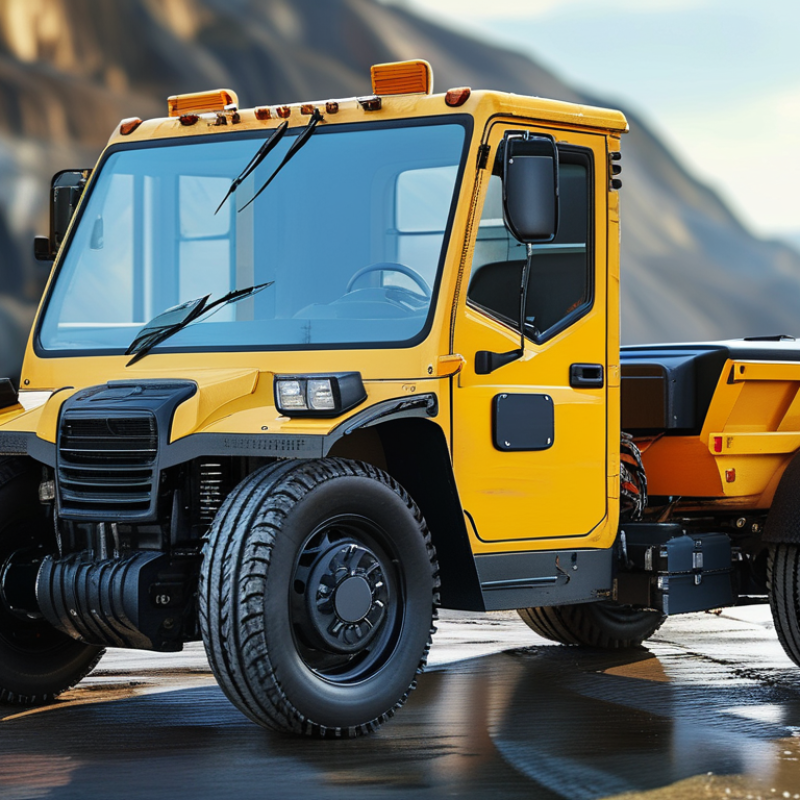
Benefits of Enhanced Mobility with Diesel Tricycles in Mining Operations
In mining operations, enhanced mobility is vital. Diesel tricycles offer a unique advantage in navigating rugged terrains. Their compact size allows for access to areas where larger vehicles cannot reach. Data suggests that operational efficiency can improve by up to 30% with the use of these vehicles. With their sturdy build, diesel tricycles are designed to withstand harsh mining environments.
Moreover, the ability to transport both personnel and equipment rapidly is crucial. Studies indicate that quick mobility reduces downtime significantly. For instance, an increase in mobility can lead to better response times during emergencies. However, potential drawbacks include maintenance challenges. Regular servicing is essential to ensure reliability. Neglecting this can result in operational disruptions.
Another aspect worth noting is fuel efficiency, which varies based on load and terrain. While diesel tricycles are generally more fuel-efficient than larger vehicles, their performance can fluctuate. Mining companies must evaluate the long-term costs versus the immediate benefits. This reflection helps in making informed decisions regarding the integration of diesel tricycles into their operations.
Cost Efficiency: How Diesel Tricycles Reduce Operational Expenses
When it comes to operational expenses, cost efficiency is crucial for any business. Diesel tricycles offer significant savings in mining operations. They consume less fuel than larger vehicles, which translates to reduced fuel costs. Moreover, maintenance costs for diesel tricycles are lower, thanks to their simpler mechanical design. This means fewer breakdowns and less time spent on repairs.
Tips: Regular maintenance checks can extend the life of your Diesel Mining Work Tricycle. Keeping an eye on tire pressure can improve fuel efficiency too. A well-maintained tricycle not only saves costs but also enhances productivity.
Another aspect is the ability to navigate tough terrains. Diesel tricycles are designed for rough conditions in mining areas. Their compact size allows them to reach places where trucks cannot. This flexibility leads to quicker deliveries and less downtime. Investing in Diesel Mining Work Tricycles can yield high returns, provided the right strategies are in place.
Tips: Always consider the terrain when planning routes. Training your operators can optimize both safety and efficiency. Effective route planning can maximize the advantages of using diesel tricycles.
Environmental Impact: Emission Management with Diesel Tricycles
The environmental impact of Mining Diesel Tricycles is a significant consideration for businesses. These vehicles often release emissions, which can contribute to air pollution. When utilized correctly, they can mitigate some negative effects. Emission management techniques, such as regular engine maintenance, play a crucial role in reducing harmful outputs. Businesses must invest in training operators to handle these vehicles efficiently, minimizing emissions during operation.
Using Mining Diesel Tricycles requires a careful balance. Operators may face challenges in achieving optimal fuel efficiency while adhering to emission standards. Poor driving habits can lead to excessive emissions. Additionally, local regulations may necessitate further enhancements to comply with stricter guidelines. Finding the right technology can help address these concerns. Therefore, investing in advanced filtration systems can allow businesses to improve their overall emission performance.
Proactive monitoring solutions can provide real-time data on emissions. Such technologies help businesses identify areas for improvement. In the long run, this can lead to significant cost savings and boost a company's reputation. Embracing these practices is essential for businesses committed to sustainable operations while using Mining Diesel Tricycles.
Worker Safety: Improving Transportation Safety in Mining Sites
Worker safety in mining sites is crucial, especially when it comes to transportation. Diesel Hillside Tricycles are becoming increasingly popular for their role in improving safety. With their robust design and capability to navigate uneven terrain, these vehicles can significantly reduce the risk of accidents. According to a report by the Mine Safety and Health Administration (MSHA), transportation-related incidents account for nearly 40% of serious injuries in mining. Introducing specialized vehicles can help mitigate these risks.
Vehicle stability is another advantage. Diesel Hillside Tricycles are engineered to handle rough conditions. This stability minimizes the chances of tipping over, a common concern in mining environments. A study from the National Institute for Occupational Safety and Health (NIOSH) indicates that proper vehicle selection can lower accident rates by 30%. While no vehicle is completely risk-free, the use of Diesel Hillside Tricycles shows a promising reduction in incidents, making them a valuable tool in improving worker safety.
However, challenges remain. Not all operators are trained to handle these vehicles effectively. The need for ongoing training and supervision is evident. Companies must invest in safety programs to ensure all workers are competent. While Diesel Hillside Tricycles can enhance safety, reliance solely on the machinery is not enough. Continuous evaluation of transportation safety is essential to adapt to changing conditions and improve overall mining operations.
Top 10 Benefits of Mining Diesel Tricycles for Your Business
| Benefit |
Description |
Impact on Worker Safety |
Cost Efficiency |
| Improved Mobility |
Facilitates quick and efficient movement of workers. |
Reduces time spent in transit, enhancing safety. |
Minimizes downtime, increasing productivity. |
| Enhanced Safety Features |
Equipped with safety belts and protective gear. |
Lower risk of accidents and injuries. |
Reduces costs associated with injury claims. |
| Terrain Adaptability |
Can traverse rough terrains common in mining. |
Increased access to remote areas reduces worker exposure. |
Less equipment needed for varied terrain. |
| Environmental Resistance |
Designed to withstand harsh mining conditions. |
Promotes worker safety by reducing mechanical failures. |
Lowers maintenance costs over time. |
| Low Maintenance Requirements |
Simple to maintain and repair. |
Increases reliability in field operations. |
Reduces long-term operational costs. |
| Cost-Effective Transportation |
Fuel-efficient design lowers transportation costs. |
Improves safety through reliable transport. |
Significant savings on fuel expenses. |
| Versatile Cargo Capacity |
Able to transport various loads and equipment. |
Enhances safety by consolidating transport. |
Efficiency in transporting multiple items at once. |
| Increased Productivity |
Facilitates faster work cycles. |
Encourages timely arrival and departure of workers. |
Boost in overall output and profitability. |
| Regulatory Compliance |
Meets safety regulations for worker transport. |
Promotes a safer work environment. |
Avoid penalties and fines associated with non-compliance. |
| Boosted Morale |
Reliable transport enhances employee satisfaction. |
Safer transport options lead to increased confidence. |
Lower turnover rates save on hiring costs. |
Versatility: Adapting Diesel Tricycles for Various Mining Tasks
The diesel tricycle has become essential in various mining operations. These versatile vehicles can adapt to multiple tasks, enhancing efficiency and productivity. With a robust load capacity of approximately 1,000 kg, they transport materials seamlessly across challenging terrains. A study by the International Mining Association highlights that such vehicles can reduce operational costs by 20% over traditional transport methods.
The adaptability of the Diesel Workhorse Tricycle is impressive. It can navigate narrow mine shafts and rough roads, allowing it to reach remote areas that larger vehicles cannot. It's not just a one-trick pony; modifications can transform it for different uses. For instance, it can be fitted with flatbeds for transporting heavy equipment or enclosed systems for transporting sensitive materials. This flexibility is vital in meeting the unique demands of diverse mining tasks.
However, these vehicles are not without challenges. Maintenance can be intensive, especially in harsh environments. Ensuring constant operational readiness is crucial. Additionally, while they reduce labor costs, reliance on technology may introduce vulnerabilities. Companies must regularly train operators to manage them efficiently. Balancing these factors is vital for maximizing the advantages of diesel tricycles in mining operations.
Maintenance and Durability: Long-lasting Solutions for Harsh Environments
Mining operations often occur in challenging environments. Diesel tricycles have proven to be a reliable solution. Their design focuses on durability, making them suitable for rough terrains. According to a recent industry report, vehicles that endure harsh conditions need robust components. Diesel tricycles typically incorporate heavy-duty parts that enhance their lifespan.
Maintenance is essential in these operations. Diesel tricycles require less frequent servicing compared to traditional vehicles. Routine checks can be simplified, reducing downtime. A survey indicated that companies using diesel tricycles reported a 30% decrease in maintenance costs. This statistic highlights the economic benefits of choosing these vehicles for demanding tasks.
Adverse weather and rugged landscapes challenge most vehicles. Diesel tricycles stand out due to their capability to navigate these conditions. They operate efficiently despite extreme temperatures or unstable grounds. Some operators have noted that performance can wane over time, emphasizing the need for regular assessments. Continuous improvement in design and engineering is vital for maintaining their effectiveness.
Increased Productivity: Streamlining Operations with Diesel Tricycles
In the mining industry, efficiency is crucial. Diesel tricycles can significantly increase productivity by streamlining operations. They offer enhanced mobility compared to traditional vehicles, allowing for quick transportation of supplies and personnel. This is particularly beneficial in rugged terrains where standard vehicles may struggle.
Using diesel tricycles reduces downtime. Workers can swiftly navigate around the site, ensuring tasks are completed on time. This efficiency leads to better resource management and quicker response times in emergencies. Operators can move materials faster, preventing bottlenecks in production processes.
Tips: Ensure regular maintenance of your diesel tricycles. This can prevent unexpected breakdowns and extend their lifespan. Training operators to handle these vehicles safely is also essential. Lastly, assess the specific needs of your mining operations before integrating tricycles. Each site has unique requirements, and what works for one may not work for another. Consider these factors carefully to optimize your productivity.
Exploring the Versatility and Features of the Diesel Tricycle 7YP-1750D4B for Modern Transportation Needs
The Diesel Tricycle 7YP-1750D4B stands out as a versatile solution to meet modern transportation needs, particularly in cargo transportation. Equipped with a robust Changchai T25 engine, this tricycle combines power and efficiency, ensuring that it can handle demanding tasks while remaining economical to operate. With a rated load capacity of up to 3000kg, it is well-suited for businesses that require heavy-duty performance without compromising mobility.
The spacious cargo box, measuring 2360 * 1500 * 450mm, provides ample space for transporting goods, making it ideal for both urban and rural logistics. Additionally, the tricycle’s tire options of 6.00-14 and 7.50-16 allow for versatility in different terrains, contributing to its reliability in various driving conditions. The full floating oil brake system with a 10th gear rear axle not only enhances safety but also improves handling, providing a smoother ride even when fully loaded. With a maintenance-free 12v120ah camel battery, the 7YP-1750D4B ensures reliable starting and operation, further enhancing its suitability for daily use in modern transportation scenarios.
FAQS
: Diesel tricycles consume less fuel and have lower maintenance costs, resulting in significant savings.
Regular maintenance checks and monitoring tire pressure can greatly improve fuel efficiency and longevity.
Yes, their compact design allows for better navigation in challenging mining areas, enabling quicker deliveries.
Regular engine maintenance and operator training are crucial for minimizing harmful emissions during operation.
Achieving optimal fuel efficiency while meeting emission standards can be difficult. Poor driving habits exacerbate emissions.
Worker safety is vital, as transportation-related incidents account for a significant percentage of mining injuries.
Their robust design and stability in rough conditions help reduce the risk of tipping over during operation.
Yes, ongoing training is necessary to ensure that all operators can handle vehicles safely and effectively.
Yes, advanced filtration systems and real-time monitoring can lead to better emission management and cost savings.
It helps adapt to changing conditions and ensures worker safety remains a priority in mining operations.
Conclusion
The use of Mining Diesel Tricycles in mining operations offers numerous advantages that can significantly enhance business efficiency. One of the primary benefits is their ability to provide enhanced mobility across rugged terrains, allowing for effective transportation of both personnel and materials. Additionally, these tricycles help reduce operational expenses, contributing to cost efficiency through lower fuel consumption and maintenance costs.
Environmental considerations are also addressed, as Diesel Tricycles can support emission management initiatives, thereby minimizing the ecological footprint of mining activities. Safety is another critical aspect, with improved transportation methods resulting in fewer accidents and better overall worker safety on sites. Their versatility enables them to adapt to various tasks, while their durability ensures reliable performance in harsh working environments. Ultimately, the incorporation of Mining Diesel Tricycles can lead to increased productivity, streamlining operations and ensuring a more effective mining process.