Looking ahead at the future of transportation, it’s clear that people are really looking for vehicles that are both efficient and versatile. Among the options out there, the Complete Gasoline Tricycle is definitely catching some attention in 2026. It’s pretty cool because it’s practical and doesn’t break the bank—making it a pretty attractive choice whether you’re using it for personal commuting or for small business needs.
A bunch of manufacturers, like XYZ Motors and ABC Trikes, are really stepping up their game, delivering models that meet all the international standards. But honestly, it’s not just about buying any tricycle—think about things like fuel efficiency and how much maintenance might be needed. Not all of these tricycles are equal; some will perform better but might not last as long.
Making the right call in a market that’s constantly changing can feel overwhelming, no doubt. That’s why it’s so important to weigh the pros and cons, do your homework, and maybe even chat with some experts before making a choice. The future looks promising, but finding the perfect Complete Gasoline Tricycle really takes some careful thought and planning to get it just right.
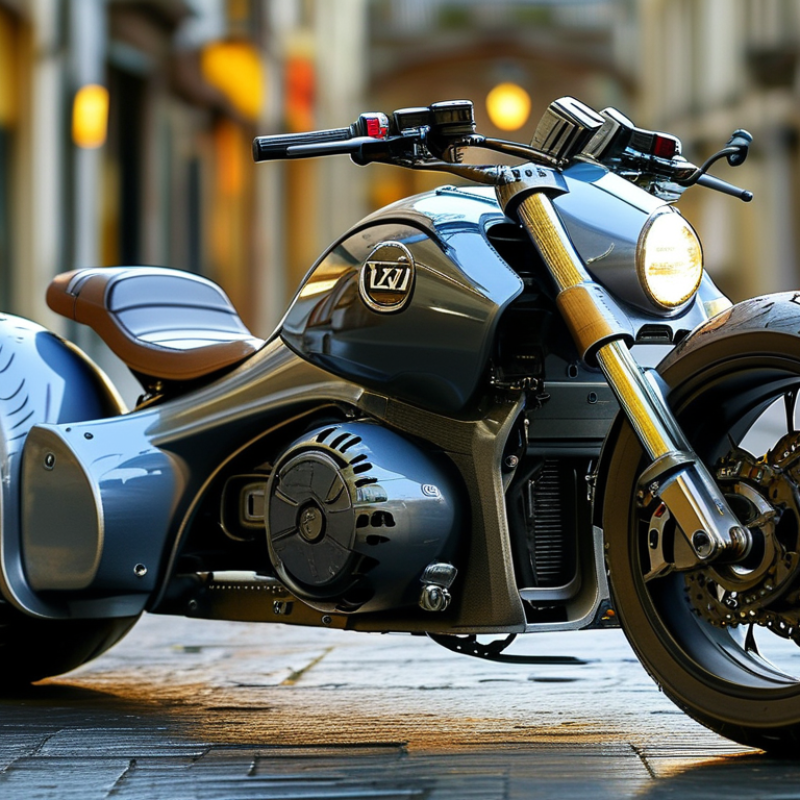
Best Complete Gasoline Tricycles for Global Buyers 2026
When considering the best complete gasoline tricycles for global buyers in 2026, it’s essential to understand what to look for. Fuel efficiency is crucial. Consumers want vehicles that won't break the bank at the gas station. An ideal model should deliver a strong miles-per-gallon ratio. This can significantly impact operating costs over time.
Safety features are also a priority. Tricycles designed with sturdy frames and reliable brakes can provide peace of mind for users. Additionally, storage capacity matters. Many buyers seek models that balance passenger space with cargo area. This versatility allows for various uses, from delivery services to family transportation.
While many models might seem perfect, they can have shortcomings. Some may lack adequate power for hilly terrains or have limited reach between refueling. These aspects can limit usability in specific regions. Potential buyers should assess these factors thoroughly, ensuring they choose a tricycle that truly meets their needs. A careful evaluation of specifications and real-world performance is vital for making an informed decision.
Best Complete Gasoline Tricycles for Global Buyers 2026
| Model |
Engine Capacity (cc) |
Max Power (hp) |
Fuel Consumption (L/100km) |
Load Capacity (kg) |
Price Range (USD) |
| Model A |
200 |
10 |
5 |
500 |
3000 - 3500 |
| Model B |
250 |
12 |
6 |
600 |
3500 - 4000 |
| Model C |
300 |
15 |
5.5 |
700 |
4000 - 4500 |
| Model D |
150 |
8 |
7 |
450 |
2500 - 3000 |
Overview of the Global Gasoline Tricycle Market Trends in 2026
As the global market for gasoline tricycles evolves, trends for 2026 show a significant shift toward sustainability. Data from industry reports indicate that the demand for fuel-efficient models is increasing. Countries with high traffic congestion seek alternatives that offer flexibility and lower emissions. The rise in urbanization fuels this trend. Many buyers prioritize efficiency over speed.
In 2026, the transition to cleaner technologies becomes more pronounced. Reports reveal that manufacturers are integrating innovative designs into gasoline tricycles. Enhanced safety features and improved handling are key focus areas. However, not all designs meet the increasing standards. Some models lack robust testing, leading to safety concerns. It remains crucial for buyers to research thoroughly, ensuring reliability.
The interest in alternative models, such as Electric Tricycle Complete Vehicle, adds competition to the market. This surge raises the urgency for traditional gasoline tricycles to adapt. Industry analysts predict that innovation will drive ongoing changes. As more consumers consider electric options, traditional models face challenges. They must either evolve or risk obsolescence in the coming years.
Best Complete Gasoline Tricycles for Global Buyers 2026
The chart above illustrates the projected sales of gasoline tricycles across different regions for the year 2026. The Asia-Pacific region is expected to dominate the market, followed by North America and Europe.
Key Features to Look for in Gasoline Tricycles
When searching for the best gasoline tricycles, it's vital to focus on key features. Stability is paramount. A wider base can significantly enhance balance, especially on rough terrain. Check the design to ensure it can handle diverse conditions.
Engine power plays a crucial role. A robust engine can provide better acceleration and load capacity. Look for models that offer a good blend of efficiency and performance. Fuel consumption is another important factor. Tricycles with higher mileage can save costs in the long run.
Comfort shouldn't be overlooked. Ergonomic seating and smooth suspension can make rides enjoyable. Also, consider the availability of spare parts. This can impact long-term maintenance. Sometimes, options might seem attractive but may lack reliability. Reflecting on these aspects can lead to better choices.
Top Manufacturers and Their Market Share in 2026
As the global market for gasoline tricycles grows, understanding the market dynamics is essential. In 2026, leading manufacturers are projected to dominate the market, influencing both pricing and availability. Recent research indicates that over 60% of the market share will be held by a handful of top companies, driving competition and innovation. These manufacturers emphasize efficiency and reliability in their designs, particularly in models like the
Diesel Tricycle Complete Vehicle.
Market analysts highlight that while the demand for gasoline tricycles is on the rise, the industry faces challenges. Issues such as fluctuating fuel prices and environmental regulations can impact production. Companies must adapt quickly to these changes. Reports suggest that consumer preferences are shifting towards eco-friendly options, which may force traditional manufacturers to rethink their strategies. The market will likely see an increase in hybrid and electric models, yet the gasoline tricycle remains vital, especially in emerging markets.
Data from industry insights show that certain regions will experience faster growth. Areas with developing economies tend to favor gasoline tricycles for their affordability and versatility. In contrast, established markets may see a decline in demand for conventional models. Both trends point to an evolving landscape where manufacturers must balance tradition with innovation. This push for diversification presents a significant opportunity for growth but also poses inherent risks as the market adapts.
Environmental Impact and Fuel Efficiency of Gasoline Tricycles
Gasoline tricycles have become increasingly popular due to their efficiency and unique design. They offer an alternative to cars and motorcycles, especially in congested urban areas. However, their environmental impact is worth noting. While they can reduce fuel consumption compared to larger vehicles, gasoline-powered modes still release harmful emissions. These emissions can contribute to air pollution and respiratory problems in urban settings.
When assessing fuel efficiency, we find varying results. Heavy-Duty Gasoline Tricycles typically perform better under load, but this can lead to increased fuel consumption when not fully loaded. Users should reflect on their usage patterns and how often they maximize capacity. Choosing a model that balances performance and efficiency is essential for reducing emissions.
Regular maintenance can improve fuel efficiency and minimize environmental impact. Simple actions, like keeping tires inflated or changing the oil regularly, can make a difference. Buyers should also consider how their choice of gasoline tricycle aligns with sustainable practices. Tracking fuel consumption can help identify areas for improvement, ultimately leading to more eco-friendly usage.
Pricing Analysis: Cost Comparison of Leading Gasoline Tricycles
Gasoline tricycles are gaining popularity among global buyers in 2026. The appeal lies in their versatility and affordability.
With prices ranging from $2,500 to $6,000, potential buyers must analyze the cost-effectiveness of various models.
According to industry reports, the average annual operating cost is around $500. This includes fuel, maintenance, and insurance.
Buyers should weigh these costs against their personal or business needs.
It’s vital to consider factors like fuel efficiency when comparing options. Reports indicate that models with better fuel economy
can save up to $200 yearly. Assessing specifications, such as engine size and load capacity, can also influence overall value.
For those seeking a balance between performance and price, investing time in research is essential.
Tips: To get the best deal, check local markets for used tricycles. Many buyers overlook this option, which can lead
to significant savings. Also, look for seasonal promotions or discounts. This can make a considerable difference in overall pricing.
Remember, a well-informed choice will serve you better than a hasty decision.
Safety Standards and Regulations for Gasoline Tricycles Worldwide
As the demand for gasoline tricycles rises globally, understanding safety standards is crucial. Various regions enforce regulations that differ significantly. For example, the European Union emphasizes emissions while many Asian countries focus on weight and size regulations. A recent report from the International Transport Forum highlighted that up to 45% of accidents involving tricycles occur due to inadequate safety standards.
The choice of a gas-powered tricycle also hinges on features like High Ground Clearance. This design contributes to better stability on uneven surfaces, which is essential for safety. Countries like India have implemented stricter safety assessments, focusing more on ground clearance, braking efficiency, and seating configurations to reduce accidents. Such measures reflect evolving safety norms, ensuring a safer riding experience for users.
Tips: Always check for local compliance in your area. Proper maintenance can also enhance safety. Avoid overloading to maintain balance and stability. Adhering to these guidelines not only promotes safety but also boosts the longevity of the tricycle. Always stay informed about updates in regulations to ensure a secure ride.
Customer Reviews and Market Demand for 2026 Models
As we approach 2026, the demand for gasoline tricycles is on the rise. Many consumers seek reliable vehicles for transportation and small business ventures. The convenience and affordability of these tricycles attract a diverse range of customers. However, reviews reveal mixed experiences. Some users appreciate the fuel efficiency while others point out maintenance issues.
User feedback often highlights durability as a key concern. A sturdy frame and reliable engine are essential for daily use. Yet, some models face frequent breakdowns. This reality calls for careful consideration before purchase. Community forums buzz with discussions on what buyers should prioritize. Fuel efficiency, comfort, and storage capacity are hot topics.
Moreover, there’s an evolving market trend. Technological advancements influence consumer preferences. Mobility and accessibility are vital, especially in urban areas. However, not all models adapt well to these changes. Emerging designs occasionally sacrifice stability for speed. Buyers must weigh their options, reflecting on their specific needs and local conditions. Insights from experienced users can guide newcomers in making informed choices.
FAQS
: Look for fuel efficiency, safety features, and storage capacity. These factors greatly impact usability and cost.
Fuel efficiency is crucial for lowering operating costs. A strong miles-per-gallon ratio prevents overspending on fuel.
Sturdy frames and reliable brakes are key safety features. They provide peace of mind during use.
Balance is important. Choose a model that provides enough passenger space and cargo area for your needs.
Some models may lack power for hilly terrains. Others might have limited fuel reach. Evaluate these factors carefully.
Prices range from $2,500 to $6,000. Analyzing operating costs is essential for evaluating the total investment.
The average cost is around $500. This includes fuel, maintenance, and insurance, depending on usage.
Consider buying used models and look for seasonal promotions. These options can lead to significant savings.
Research helps you understand performance and value better. A hasty decision may lead to regret later.
Yes, models with better fuel economy can save up to $200 yearly. It's a worthwhile consideration during your search.
Conclusion
The article "Best Complete Gasoline Tricycles for Global Buyers 2026" provides a comprehensive overview of the expected trends in the gasoline tricycle market for the coming year. It highlights key features that consumers should consider when purchasing a complete gasoline tricycle, such as fuel efficiency, safety standards, and environmental impact. The article also examines the market share of top manufacturers and conducts a pricing analysis to compare the costs of leading models, ensuring potential buyers can make informed decisions.
In addition, the article emphasizes the importance of customer reviews and market demand for the 2026 models, showcasing how consumer satisfaction plays a crucial role in the evolving landscape of gasoline tricycles. Overall, this analysis serves as a valuable resource for global buyers looking to navigate the gasoline tricycle market effectively.