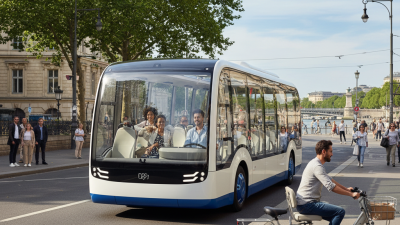
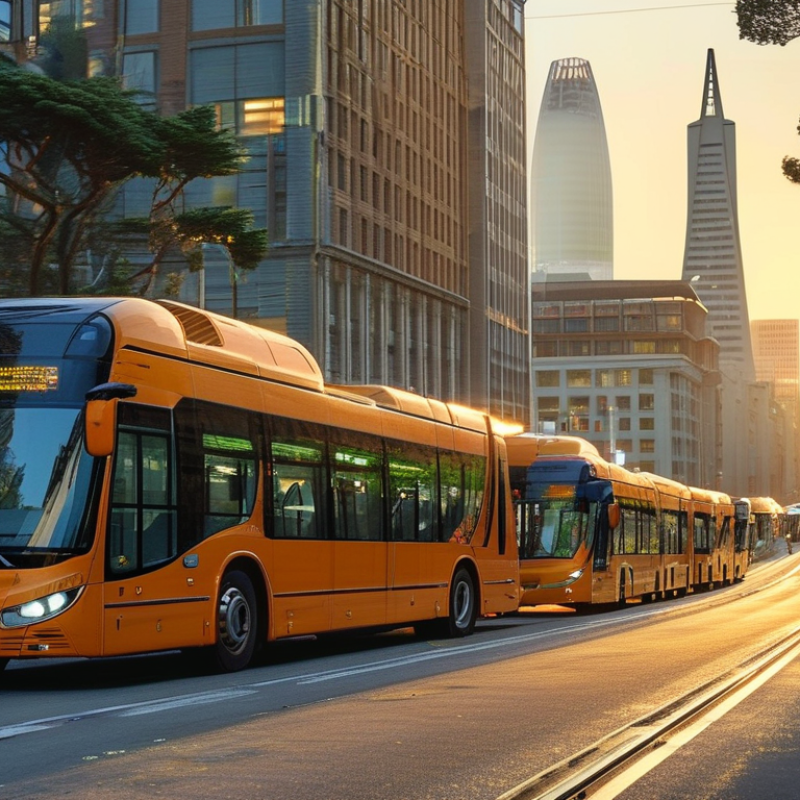
Lately, you’ve probably noticed that cities all over the world are jumping on the Electric Sightseeing Bus trend. With tourism picking up again, these buses are such a cool way to check out a city without hurting the environment too much. I spoke with Dr. Sarah Mitchell, a well-known expert in sustainable transportation, and she mentioned, “Electric Sightseeing Buses are really changing the game for city travel. They’re eco-friendly, sure, but they also make the whole tourist experience way better.”
Cities are seeing some real perks, like cleaner air, because these buses run so quietly and cleanly, which makes exploring way more enjoyable for both visitors and locals. Places like San Francisco have shown it’s not all smooth sailing, though. There are still some hurdles — like charging stations and maintenance infrastructure that need to catch up.
Bringing Electric Sightseeing Buses into the mix could totally boost city living, but we also need to keep the conversation going about things like costs and how people feel about these new rides. At the end of the day, they’re more than just a way to get around — they symbolize a bigger shift toward greener, more sustainable tourism. That being said, it’s clear that this is just the start, and as cities keep evolving, the role of these electric buses is only going to become more vital. They’re not just transportation — they’re part of a vision for a more sustainable future.
Benefits of Electric Sightseeing Buses for Urban Tourism
Electric sightseeing buses are reshaping urban tourism. They offer a quieter, more relaxing way to explore cities. Tourists can enjoy panoramic views without the noise of traditional buses. The electric models reduce carbon emissions significantly. This helps cities improve air quality and appeal to eco-conscious travelers.
Additionally, these buses often feature modern amenities. Knowledgeable guides share insights about local attractions. Some even provide audio commentary in multiple languages. Integration with mobile apps enhances the travel experience. Tourists can track bus locations and plan their visits efficiently. However, not every city is ready for this transition.
While electric buses are great, there are challenges. Infrastructure requires investment. Charge station availability is critical for smooth operations. Cities must also educate drivers for optimal performance. Collaboration between authorities and transport companies is vital. As urban tourism evolves, electric sightseeing buses hold great promise. Just like Electric Three Wheel Bikes, they represent sustainable travel options. Cities must embrace such innovations to cater to future generations.
Reduction of Carbon Emissions from Urban Transportation
Electric sightseeing buses are becoming popular in cities. These buses significantly reduce carbon emissions from urban transportation. By using electric power, they help lower air pollution levels. Many cities have reported cleaner air since adopting this technology. The noise reduction is also notable, creating a more pleasant environment for residents and visitors alike.
Transitioning to electric buses can be challenging. Infrastructure needs upgrading. Charging stations must be installed where they are most needed. City planners face the task of balancing modern needs with budget constraints. However, the long-term benefits outweigh these initial hurdles. Electric buses can convert public transport into a more sustainable option, supporting city goals for reduced carbon footprints.
Cities that embrace electric buses often see increased tourist interest. Cleaner streets and quieter rides enhance the travel experience. Local ecosystems can thrive with decreased emissions. Electric options like the Tricycle Bike Electric contribute to a holistic approach. Despite the progress, cities must consistently evaluate their strategies. Continuous learning and adaptation are essential for lasting impact.
Enhanced Visitor Experience with Quiet and Comfortable Rides
Electric sightseeing buses are revolutionizing urban tourism. They offer visitors a quiet and comfortable ride, enhancing the overall experience. Passengers can enjoy the sights without the noise of traditional buses. The serene environment allows for better appreciation of the surroundings. Clean energy sources power these buses, making them environmentally friendly.
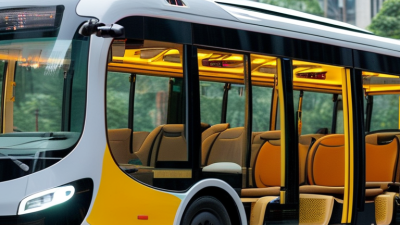
Comfort is a key feature of electric buses. They often have spacious seating and large windows, providing ample views of city landmarks. Many allow for easy access for all, including those with mobility challenges. While the comfort level is high, some may find the ride less dynamic than traditional sightseeing tours. There's a shift in pace that requires adjustment for some.
Electric buses also cater to diverse travel preferences. Families can ride together, making memories without the usual distractions. In some cases, these buses might face challenges with routes and ticketing, which can affect the experience. However, as cities continue to invest in these innovative solutions, the visitor experience will undoubtedly improve. With options like the Pedal Assist Electric Trike, there's a broader movement toward sustainable and enjoyable city exploration.
Top 10 Benefits of Electric Sightseeing Buses for Cities - Enhanced Visitor Experience with Quiet and Comfortable Rides
| Benefit |
Description |
Impact on Visitors |
| Reduced Noise Pollution |
Electric buses operate quietly, reducing noise in urban areas. |
Enhances the overall experience of sightseeing for visitors. |
| Eco-Friendly Travel |
Produced with zero tailpipe emissions, contributing to cleaner cities. |
Appeals to environmentally conscious tourists. |
| Comfortable Rides |
Electric buses often provide better seating and climate control. |
Increases visitor satisfaction while traveling. |
| Efficient Tours |
Able to navigate through busy city areas with advanced tech. |
Allows visitors to see more in less time. |
| Enhanced Interpretation |
Integrate audio or visual guides seamlessly. |
Improves visitor engagement with local history and culture. |
| Lower Maintenance Costs |
Fewer moving parts and less wear and tear compared to combustion engines. |
Potentially lower ticket prices for visitors. |
| Increased Accessibility |
Designed with features for travelers with mobility impairments. |
Ensures all visitors can enjoy the experience. |
| Attracting Tourists |
Cities adopting modern transport attract more visitors. |
Boosts local tourism revenue. |
| Supports Local Economy |
Promotes jobs in technology and service sectors. |
Benefits local businesses through increased foot traffic. |
| Future-Ready Infrastructure |
Investment in electric buses supports sustainable urban planning. |
Provides a sense of innovation to visitors. |
Cost-Effectiveness of Electric Buses for City Transportation Systems
Electric sightseeing buses are reshaping urban transportation. Their cost-effectiveness is a major highlight.
While traditional buses rely on fossil fuels, electric buses significantly reduce fuel expenses. Daily operational
costs can drop by up to 70%. Maintenance is often less expensive, too. Fewer moving parts mean fewer repairs.
Cities seeking to adopt electric buses should consider initial investments carefully. Infrastructure upgrades are
sometimes necessary, such as installing charging stations. Budgeting for these can be a challenge. Still, many
cities find that long-term savings outweigh these initial costs. Additionally, electric buses often qualify for
government subsidies, further alleviating financial burdens.
Encouraging green tourism is another benefit. Lower emissions improve air quality and create a better visitor
experience. Passengers enjoy quieter rides while taking in city sights. Providing educational information about
local history enhances engagement.
When planning to implement electric bus systems, consider community needs. Assess current transportation patterns.
Gather feedback to ensure the new system aligns with local expectations. This collaborative approach can lead to
a more successful transition.
Boosting Local Economies through Eco-Friendly Tourism
The rise of electric sightseeing buses brings a fresh wave of eco-friendly tourism. According to the International Council on Clean Transportation, electric buses reduce greenhouse gas emissions by about 50% compared to their diesel counterparts. This shift can help cities improve air quality, making urban spaces more appealing to visitors. Cleaner environments attract more tourists, leading to increased spending in local businesses.
Research indicates that tourism is vital for local economies. A report from the World Tourism Organization found that every 100 tourists can generate up to 100 jobs in a city. Electric buses provide an efficient way for visitors to explore attractions, boosting foot traffic in shopping areas and restaurants. However, cities must address infrastructure challenges.
The lack of charging stations can limit the potential of these electric fleets. Additionally, high initial costs of electric buses may deter some local governments from making the switch.
Tourists are increasingly drawn to sustainable options. In a recent survey, 67% of travelers expressed a preference for eco-friendly transportation. This trend suggests that cities adopting electric sightseeing buses may experience a cultural shift, embracing greener practices. Yet, the transition requires careful planning and investment in public infrastructure to ensure the long-term success of eco-tourism initiatives.
Improved Air Quality and Health Benefits for Residents
Electric sightseeing buses are transforming urban landscapes. They significantly reduce air pollution, contributing to cleaner cities. This shift benefits residents' overall health. Lower emissions create a more pleasant environment. People, particularly those with respiratory issues, feel the positive impact.
The noise reduction is noteworthy. Traditional buses often create a cacophony. Electric buses operate quietly, enhancing the experience. Residents enjoy a more serene atmosphere, allowing them to engage with their surroundings. This also encourages outdoor activities, which are linked to better health.
However, challenges persist. Charging infrastructure needs expansion. Cities must invest in robust systems to support electric fleets. Some neighborhoods may resist change, fearing disruption. Addressing these concerns can be complex but necessary for sustainable growth. Balancing innovation with community needs is crucial for future success.
Top 10 Benefits of Electric Sightseeing Buses for Cities
This chart illustrates the various benefits of electric sightseeing buses for urban environments, highlighting improved air quality and health benefits for residents.
Integration with Smart City Initiatives and Infrastructure
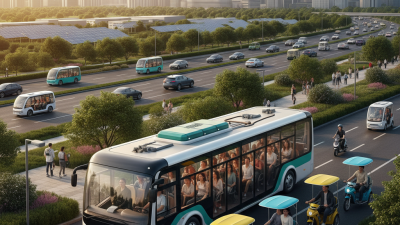
Electric sightseeing buses are becoming integral to smart city initiatives. These vehicles reduce noise pollution, foster sustainability, and enhance urban mobility. Studies indicate that cities adopting electric buses report a 30% decrease in greenhouse gas emissions. This transformation aligns with global sustainability targets and urban livability improvements.
Cities can leverage infrastructure investments to support electric bus deployment. Integrating these buses with existing transit systems can empower residents and tourists. An analysis by the International Energy Agency highlights that 20% of urban transport could be electrified by 2030. Smart technology, such as real-time tracking and scheduling, improves efficiency. However, cities must also address the ongoing challenges of charging infrastructure and investment costs.
Enhancing public engagement is essential for successful integration. Communities should participate in planning electric bus routes. Gather feedback to create transit options that meet real needs. Moreover, educational campaigns can increase awareness of electric buses' benefits. The 3 Wheeler Auto Electric project showcases how cities can promote this green initiative while addressing urban mobility challenges. Effective planning must ensure accessibility and convenience for all users, paving the way for a more resilient public transport system.
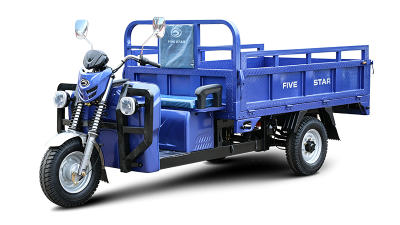
Innovative Transportation: Exploring the Benefits and Features of the Three-Wheeled Electric Vehicle WX2200DZH-2
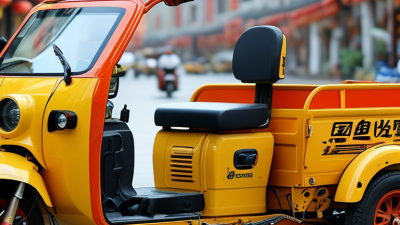
The innovative three-wheeled electric vehicle WX2200DZH-2 sets a new standard in efficient transportation, providing an excellent blend of performance, durability, and versatility. Powered by a high-capacity motor delivering 2200W output, this electric vehicle offers reliable mobility with impressive specifications, including 60/72V options that ensure a powerful drive. With dimensions of 3500mm in length, 1440mm in width, and 1450mm in height, the WX2200DZH-2 is designed to handle various applications effectively, whether for urban delivery or rugged terrain use.
Equipped with a spacious cargo box featuring robust engineering design, measuring 2200mm by 1350mm, this vehicle supports a remarkable rated load capacity of 1500kg, making it perfect for businesses in need of a reliable logistics solution. The vehicle’s front suspension system, which includes a 50mm external spring shock absorber, guarantees a smooth ride, while the well-designed rear axle and hydraulic brake system enhance both performance and safety. Overall, this electric vehicle’s lightweight yet sturdy framework, coupled with durable tires and a powerful lithium iron phosphate battery, ensures long operational life and efficiency for all users.
FAQS
: Electric buses reduce carbon emissions and improve air quality, benefiting residents' health.
Electric buses operate quietly, creating a more peaceful environment compared to traditional buses.
Cities must upgrade infrastructure and install charging stations, balancing needs with budget constraints.
Electric buses can lower daily operational costs by up to 70%, making them financially attractive.
They create cleaner streets and quieter rides, improving the overall travel experience for visitors.
Gathering local feedback ensures the new system meets community expectations and needs effectively.
Yes, reduced air pollution from electric buses leads to better health, especially for those with respiratory issues.
Cities must adapt their strategies based on ongoing performance and community reaction for lasting success.
Electric buses often qualify for government subsidies, helping reduce initial investment burdens.
Initial infrastructure costs and community resistance can complicate the adoption process, needing careful management.
Conclusion
Electric Sightseeing Buses are revolutionizing urban tourism by offering numerous benefits that enhance both the visitor experience and the city's environmental health. These buses contribute significantly to the reduction of carbon emissions from urban transportation, making cities greener and more sustainable. With their quiet and comfortable rides, Electric Sightseeing Buses provide an enjoyable experience for tourists, allowing them to explore cities without the usual noise and pollution associated with traditional buses.
Additionally, the cost-effectiveness of Electric Sightseeing Buses supports city transportation systems, enabling better allocation of resources. As these eco-friendly alternatives gain popularity, they boost local economies by attracting more visitors interested in sustainable tourism. Moreover, the integration of Electric Sightseeing Buses with smart city initiatives improves overall infrastructure while enhancing air quality and health benefits for residents. In summary, Electric Sightseeing Buses represent a forward-thinking approach to urban travel, fostering a cleaner, healthier, and more vibrant city environment.