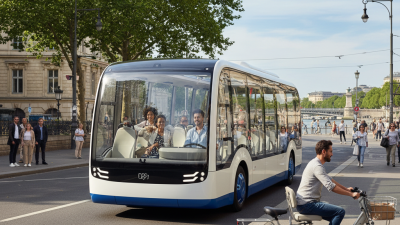
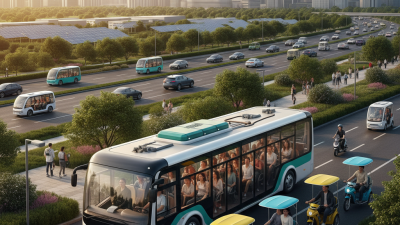
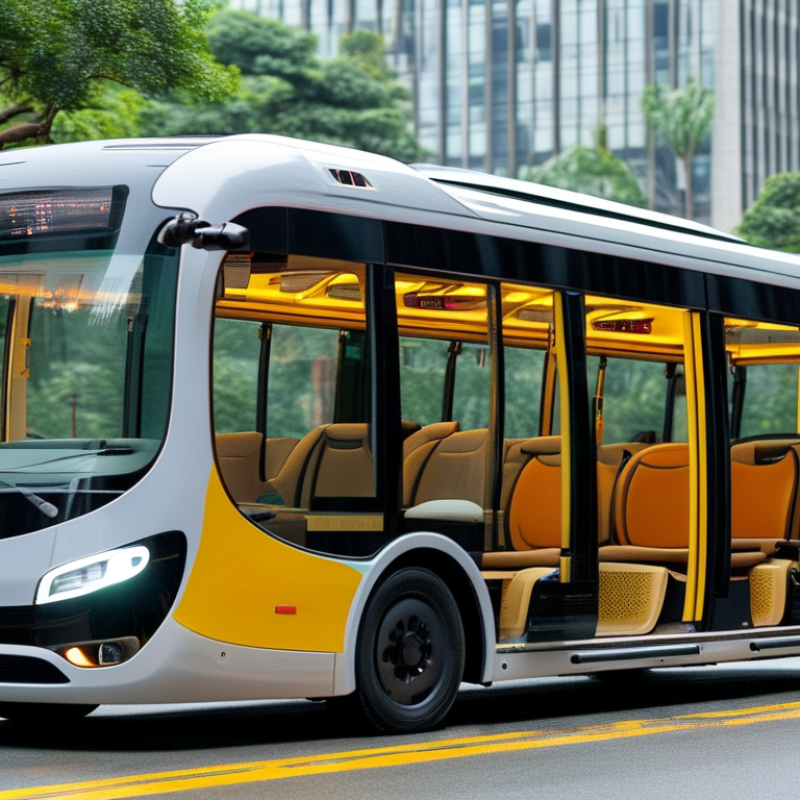
Electric sightseeing buses are really changing the way we get around in cities. John Smith, a guy from Eco Transport Solutions, mentioned, “Looking ahead, the future of sightseeing is all about eco-friendly options like electric buses.” With everyone more conscious about the environment these days, this kind of transportation is catching on pretty fast.
These electric buses offer a pretty smooth and quiet way to see the sights. They produce zero emissions, which means they're helping cut down urban pollution. Tourists get to enjoy a clean, peaceful ride while also doing their part to keep the planet happy. The buses are comfy, with nice seats and big windows so you get a great view. But, some folks still worry about whether the battery technology can really keep up.
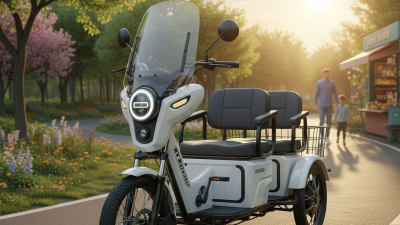
The industry is moving forward, sure, but there are some hurdles to clear. Electric sightseeing buses need good charging stations to keep going. Cities really need to invest in building this infrastructure if they want the experience to be seamless. And as things develop, other options like the Two Seat Electric Tricycle might start to play a bigger role as well. Overall, the chat about sustainable travel is just getting started, but electric buses are definitely paving the way for a greener future.
Benefits of Electric Sightseeing Buses for Eco-Friendly Travel
Electric sightseeing buses present a promising alternative for eco-friendly travel. They operate on electric power, which significantly reduces greenhouse gas emissions. According to the International Energy Agency (IEA), electric buses can reduce emissions by as much as 80% compared to diesel counterparts. This figure is pivotal in urban areas, where air pollution is a growing concern.
Moreover, electric buses offer quieter rides. Sound levels drop significantly, creating a more pleasant experience for passengers and local communities. A study by the Environmental Protection Agency (EPA) showed that noise pollution has a detrimental effect on urban living. Hence, electric buses not only enhance the travel experience but also contribute to healthier city environments.
While the benefits are compelling, challenges remain. The initial investment in infrastructure may deter some cities from adopting electric fleets. Maintenance and charging logistics also require thoughtful planning. Addressing these issues is crucial for the larger adoption of electric buses. Stakeholders need to collaborate to tackle these barriers effectively.
How Electric Sightseeing Buses Reduce Carbon Footprint
Electric sightseeing buses are paving the way for eco-friendly travel. These vehicles run on electricity, significantly reducing harmful emissions. Unlike traditional diesel buses, electric buses emit no tailpipe pollutants. This leads to cleaner air in urban areas, benefiting both residents and tourists.
By utilizing renewable energy sources, electric buses further minimize their carbon footprint. Cities are increasingly adopting this technology to promote sustainable tourism. Tourists can enjoy scenic views while knowing they are supporting environmentally responsible choices. However, challenges remain, such as limited charging infrastructure and longer refueling times compared to conventional buses.
Moreover, the initial costs of electric buses can deter some operators. It's essential to weigh these factors against the long-term benefits. Despite these challenges, the shift towards electric sightseeing buses is a crucial step in combating climate change. They represent a practical solution for eco-conscious travelers who wish to make an impact.
The Technology Behind Electric Sightseeing Buses
Electric sightseeing buses represent a remarkable advancement in eco-friendly travel. These buses utilize cutting-edge battery technology to offer a quiet and smooth ride. Their electric motors are efficient, reducing energy consumption and decreasing air pollution. Many cities now incorporate these buses into public transport systems, encouraging sustainable tourism.
The technology behind electric sightseeing buses also relies on advanced regenerative braking systems. This feature harnesses energy normally lost during braking, converting it back into usable power. The design of these buses often includes lightweight materials, enhancing their overall efficiency. However, the infrastructure for charging these buses still needs improvement in many areas. Cities need to invest further in charging stations for broader adoption.
While electric sightseeing buses are impressive, challenges remain. Battery life and charging times can still limit their range. Moreover, there are concerns about the initial costs of setting up fleets. These factors highlight the importance of innovation in transportation technology, paving the way for alternatives like Electric Three Wheel Bikes. These bikes can complement electric buses, creating a comprehensive eco-friendly travel network.
Why Choose Electric Sightseeing Bus for Eco Friendly Travel? - The Technology Behind Electric Sightseeing Buses
| Feature |
Details |
| Zero Emissions |
Electric buses produce no exhaust emissions, significantly reducing air pollution. |
| Noise Reduction |
Electric buses operate more quietly than diesel buses, contributing to noise reduction in urban areas. |
| Cost Savings |
Lower fuel costs and reduced maintenance requirements lead to significant operational savings. |
| Advanced Technology |
Equipped with the latest battery and charging technologies that enhance efficiency and performance. |
| Sustainable Tourism |
Promotes eco-friendly travel, encouraging tourists to choose sustainable options for sightseeing. |
| User Experience |
Enhanced passenger comfort with features such as Wi-Fi and climate control. |
Comparing Electric Buses to Traditional Diesel Buses
Electric buses are becoming a popular alternative to traditional diesel buses for sightseeing tours. According to a 2022 report by the International Energy Agency, electric buses can reduce greenhouse gas emissions by up to 70% compared to their diesel counterparts. This transition not only decreases air pollution but also enhances the overall travel experience for passengers. Tourists are increasingly looking for eco-friendly options that align with their values.
However, electric buses do face challenges. Charging infrastructure can be insufficient in some regions, leading to limited operational capabilities. In addition, the initial investment in electric buses is often higher than for diesel models. Data from the U.S. Department of Transportation indicates that while electric buses may have lower lifetime costs, the upfront expense can deter some municipalities from making the switch. This paradox may result in a slower adoption rate compared to what's necessary for sustained environmental benefits.
Despite these obstacles, the potential for innovation remains strong. Advances in battery technology are rapidly evolving. Reports project that by 2030, electric bus adoption could rise significantly if investments in infrastructure increase. In cities where sustainable travel is prioritized, the benefits of electric buses, alongside options like the Tricycle Bike Electric, might complement each other well. The journey toward greener travel is ongoing, with electric vehicles leading the charge.
The Role of Electric Sightseeing Buses in Sustainable Tourism
Electric sightseeing buses are transforming the tourism landscape by promoting sustainable travel. These buses operate on electric power, significantly reducing greenhouse gas emissions. According to a report by the International Council on Clean Transportation, electric buses can lower emissions by up to 70% compared to conventional diesel buses. This shift is crucial as tourism contributes nearly 8% of global CO2 emissions.
Sustainable tourism not only benefits the environment but also enhances the travel experience. Reports indicate that destinations using electric buses see increased visitor satisfaction. Passengers enjoy quieter rides and an unobstructed view of attractions. However, some challenges remain. Infrastructure for charging and maintenance is still developing in many areas. The upfront costs of electric buses can also be a barrier for smaller operators.
Tourists are increasingly demanding eco-friendly options. A survey by Booking.com found that 87% of travelers want to travel sustainably. This trend is driving the adoption of electric buses in popular tourist destinations. While the journey towards fully sustainable tourism is ongoing, the role of electric sightseeing buses is undeniably pivotal in shaping a greener future.
Passenger Experience on Electric Sightseeing Buses
Electric sightseeing buses offer a unique passenger experience that enhances eco-friendly travel. Passengers can enjoy scenic views without the noise and pollution of traditional buses. These electric buses provide a smooth ride, allowing travelers to fully immerse themselves in the atmosphere of their surroundings. According to recent industry reports, electric buses can reduce greenhouse gas emissions by up to 45% compared to diesel buses. Many cities are adopting electric buses to meet sustainability goals and improve air quality.
Travelers often appreciate the quiet operation of electric sightseeing buses. This tranquility allows for better conversation and a more relaxing experience. Moreover, studies indicate that passengers report higher satisfaction rates when traveling in electric vehicles. A survey revealed that 75% of travelers prefer using electric transportation options. This is a valuable trend for cities aiming to boost tourism sustainably.
Tips for an enjoyable ride include exploring the top deck if available. This vantage point offers the best views. Engaging with the driver can also enhance your journey, as they often share insights about landmarks along the route. However, passengers should be prepared for fluctuating availability, as electric sightseeing buses may not run as frequently as traditional buses. Lastly, while enjoying the sights, consider trying a
Pedal Assist Electric Trike for a more active way to explore.
Future Trends in Electric Bus Innovations for Sightseeing
The future of electric buses in tourism is promising. Innovations in battery technology are leading to longer ranges and shorter charging times. This development is crucial for sightseeing, as tourists often need to travel across large areas. More efficient buses can reduce downtime and enhance the experience.
Another exciting trend is the integration of smart technologies. With GPS navigation and real-time tracking, passengers can enjoy a seamless journey. Imagine getting updates about nearby attractions while riding in a quiet, electric bus. This enhances engagement and promotes exploration.
Electric buses, including models like the 3 Wheeler Auto Electric, are becoming more popular. However, some challenges remain. Infrastructure development needs to keep pace with growth in electric vehicles. Not every city is equipped for charging these buses adequately. Both local governments and companies must collaborate to address these gaps. This journey towards eco-friendly travel is still evolving, and constant adjustments are necessary.
Electric Sightseeing Bus Adoption Trends (2020-2025)
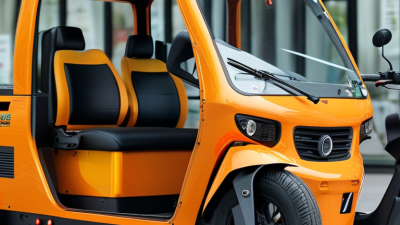
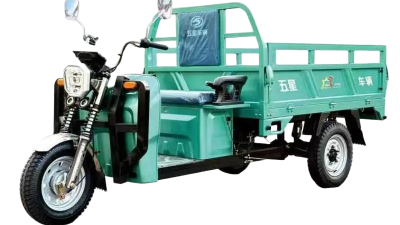
Unlocking Urban Mobility: Insights into the Surge of Three-Wheeled Electric Vehicles EH30 in the 2023 Green Transportation Market
The surge of three-wheeled electric vehicles, particularly models like the EH30, marks a significant shift in urban mobility as cities pivot towards greener transportation solutions. The EH30 showcases innovative design and robust performance features, making it an ideal choice for urban commuting. With a compact chassis reinforced by steel and an electrostatic paint coating, the vehicle combines durability with aesthetic appeal. The overall dimensions, coupled with a wheelbase of 2060mm and a width of 1180mm, ensure stability and maneuverability in crowded urban environments.
Equipped with a powerful 60V1200V motor, the EH30 delivers a rated speed of 45 km/h, making it well-suited for both short trips and longer journeys within city limits. Its 600 kg rated load capacity allows for the transport of passengers and cargo, fulfilling diverse needs in urban settings. The innovative front suspension and rear axle system enhance ride comfort and vehicle control, while the high-quality tires contribute to safety on various terrains. The EH30’s emphasis on efficiency and performance aligns perfectly with the growing demand for sustainable transportation options, positioning it to play a critical role in modern urban mobility solutions.
FAQS
: Electric buses can reduce greenhouse gas emissions by up to 70% compared to diesel buses. This lowers air pollution significantly.
The higher upfront cost of electric buses is often a major deterrent for municipalities. They worry about initial investments.
Inadequate charging infrastructure can limit the operational capabilities of electric buses in many regions. This is a significant issue.
Advances in battery technology are leading to longer ranges and shorter charging times. This enhances the travel experience for tourists.
Smart technology, like GPS navigation, provides real-time tracking for passengers. This makes their journey more engaging and informative.
Yes, more efficient electric buses can reduce downtime. This allows tourists to explore more attractions without delays.
Cities need to improve charging infrastructure. Collaboration between local governments and companies is essential to address these gaps.
While electric buses may have lower lifetime costs, their higher initial investments slow down adoption rates. This requires reflection.
Tourists increasingly prefer eco-friendly options that match their values. Electric buses align well with those preferences.
The transition to electric buses is ongoing. Constant adjustments and innovations are necessary to keep pace with this growth.
Conclusion
The article examines the numerous advantages of using Electric Sightseeing Buses for eco-friendly travel, emphasizing their significant role in reducing the carbon footprint associated with traditional transportation methods. It highlights how these buses utilize advanced technology to operate efficiently and sustainably, making them a viable option for environmentally conscious travelers.
Moreover, the comparison between Electric Sightseeing Buses and traditional diesel buses showcases the former's benefits in terms of emissions and noise reduction, positioning them as a key player in promoting sustainable tourism. The article also addresses the enhanced passenger experience provided by Electric Sightseeing Buses, as well as potential future trends in electric bus innovations that could further transform the landscape of sightseeing travel.