The global market for transportation solutions is changing pretty quickly these days. One vehicle that’s really been getting a lot of attention is the Complete Gasoline Tricycle. It’s turning out to be quite a handy alternative, whether you're hauling passengers or goods. According to a report from Allied Market Research, the demand for three-wheelers is actually expected to grow by around 6% each year — pretty steady growth.
Manufacturers are definitely stepping up their game to keep up with this demand. Big names like Bajaj Auto and Piaggio are really leading the charge. Their focus is on making vehicles that are reliable and fuel-efficient, which folks really appreciate. But, of course, the market’s not perfect. Some models get a bit of flak for not being super comfortable, and there are environmental concerns cropping up too, which can’t be ignored.
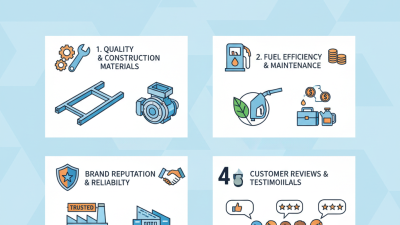
If you're thinking about picking out a gasoline tricycle, it’s really worth doing some homework. Pay attention to things like how well it performs, how much fuel it drinks, and what kind of reputation the brand has. Not every model is gonna be perfect for everyone, so making an informed decision really matters. Getting a handle on these trends and factors can help you make smarter choices in this growing market of gasoline tricycles.
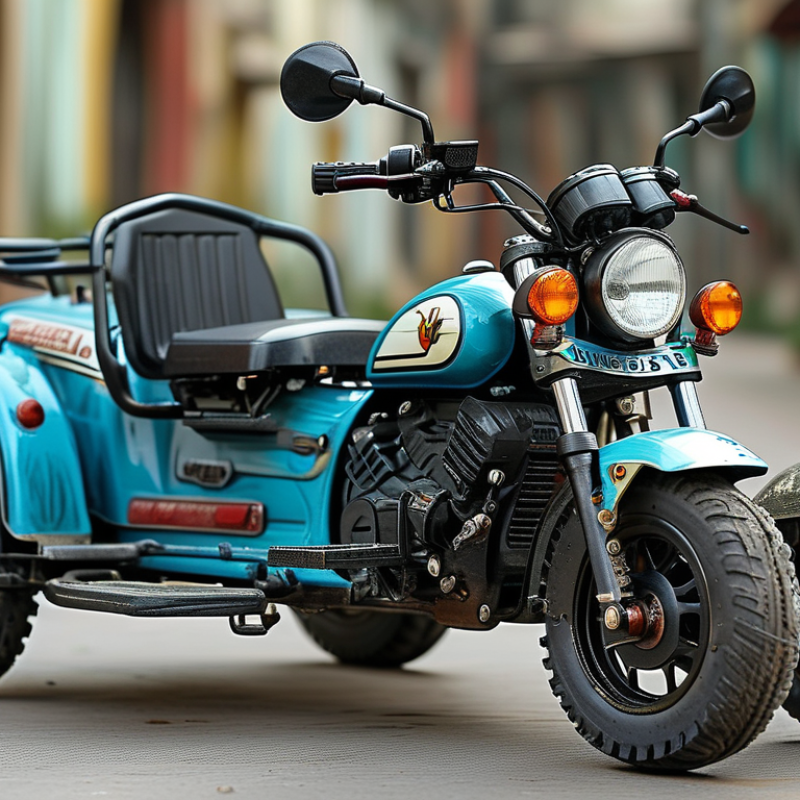
Top 10 Complete Gasoline Tricycles for Global Buyers
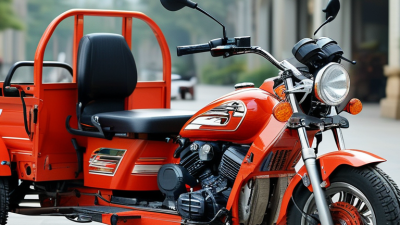
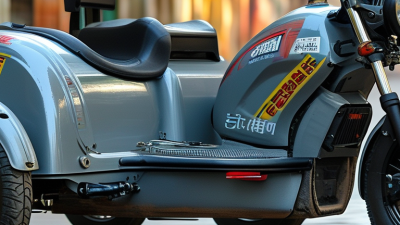
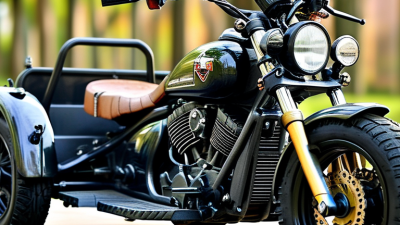
When considering complete gasoline tricycles, it's essential to understand what features matter most. These vehicles are known for their reliability and versatility. They provide a great option for transporting goods and passengers. Users often appreciate their fuel efficiency and ease of maintenance. However, not every model meets the same quality standards. Do thorough research to avoid regrettable purchases.
Tips: Focus on the engine size and carrying capacity. A powerful engine might be necessary for hilly areas or heavy loads. Always check user reviews before buying. Many reviews point out issues with durability and performance. Choose models that offer reliable customer service, which can save time and effort in case of problems.
Many buyers overlook the importance of looking for a comfortable seat and storage space. A well-designed seating arrangement can significantly enhance the riding experience. Pay attention to safety features as well. These should include headlights, brake lights, and mirrors. While shopping, consider if you need an Electric Tricycle Complete Vehicle for more eco-friendly options.
Overview of Gasoline Tricycle Market Trends and Growth Statistics
The gasoline tricycle market has shown significant growth recently. According to industry research, the global market is expected to reach $1.5 billion by 2026. This growth is fueled by increasing demand in emerging markets. In many countries, gasoline tricycles are preferred for last-mile delivery solutions. They combine efficiency and cost-effectiveness, making them attractive for both transport operators and consumers.
Trends indicate that urbanization plays a major role in the market's expansion. As cities grow, the need for versatile transportation options rises. Gasoline tricycles can easily navigate congested areas. This adaptability enhances their appeal and accessibility in densely populated regions. Nevertheless, environmental concerns remain a challenge. Increased emissions from gasoline tricycles may hinder progress in some markets.
Tip: Consider the local regulations and environmental policies before purchasing a gasoline tricycle. Sustainability will be crucial as cities aim to reduce pollution. Another important factor is maintenance costs. Keeping a tricycle in top condition can greatly affect its performance. Regular servicing is essential for longevity and reliability.
Key Specifications and Features of Leading Gasoline Tricycles
When considering gasoline tricycles, several key specifications stand out for global buyers. Engine capacity is often a primary concern. Most leading models have engines ranging from 150cc to 400cc. This variability allows users to choose based on their intended use, whether for personal transport or commercial purposes.
Weight capacity also matters. Many tricycles can support loads of 300 to 500 pounds. This significant capacity makes them suitable for various tasks, such as carrying goods or passengers. Users, however, should reflect on how load distribution affects performance and stability.
Fuel efficiency is another critical attribute. Models that achieve 30 to 50 miles per gallon are common. This efficiency can lead to significant cost savings over time. Buyers should evaluate these features against their unique needs, considering both urban commuting and longer trips. Ultimately, understanding the specifications helps buyers make informed choices in a growing market.
Top 10 Complete Gasoline Tricycles: Specifications Overview
Analysis of Fuel Efficiency in Popular Gasoline Tricycles
When considering gasoline tricycles, fuel efficiency is a pivotal factor. Many users seek alternatives to traditional vehicles. A well-designed gasoline tricycle can provide a unique solution. A fuel economy of around 40-60 miles per gallon is common among top models. This efficiency is crucial for daily commuters and delivery services alike. Users appreciate the lower fuel costs compared to larger vehicles.
However, not all gasoline tricycles excel in fuel efficiency. Buyers must research performance data to avoid unwise choices. Some models may consume more fuel than advertised. Inefficient engines can lead to increased expenses over time. Users often reflect on their initial choices. A thorough understanding of specifications helps in selecting a reliable model. In contrast, a Diesel Tricycle Complete Vehicle may offer different benefits, including enhanced torque and better endurance for heavier loads.
Ultimately, awareness is key. Not all gasoline tricycles are equally efficient. Potential buyers should analyze performance reviews. Real-world experiences from current users can reveal hidden insights. Gathering substantial information allows for informed decisions. Fuel efficiency remains a pivotal attribute, influencing overall satisfaction and functionality.
Safety Standards and Regulations for Gasoline Tricycles Worldwide
Safety is paramount when discussing gasoline tricycles. Around the world, safety standards vary widely. Many countries have established protocols to ensure these vehicles operate safely. Regulations often include speed limits, weight restrictions, and requirements for safety features like seat belts and lights.
Manufacturers must adhere to these guidelines. However, enforcement can be inconsistent. In some regions, inspections and certifications are lax. This inconsistency raises concerns about the vehicles on the road. Consumers must remain vigilant. Researching each tricycle's safety features is crucial before making a purchase.
Furthermore, user education is often overlooked. Many buyers may not fully understand the safety requirements in their area. Operators should receive proper training. This knowledge can prevent accidents and enhance overall safety. The gap in education is an area needing improvement, as it directly impacts public safety. Prioritizing education can lead to more informed decisions on the road.
Comparative Pricing Analysis of the Top 10 Gasoline Tricycles
Navigating the market for gasoline tricycles can be overwhelming. Recent analyses reveal considerable price variation among the top models. The industry reports suggest that prices for Heavy-Duty Gasoline Tricycles can range from $2,500 to $6,000, depending on features and durability. A well-rounded tricycle typically comes equipped with robust engines, and high payload capacities contribute to the higher price tags.
When evaluating the price of these tricycles, it’s crucial to consider total cost of ownership. Fuel efficiency plays a significant role in ongoing expenses. Tricycles achieving over 40 miles per gallon can save owners significant amounts of money in the long run. Additionally, maintenance costs can vary depending on the manufacturer’s availability of parts. A model with easily sourced components can lead to reduced repair costs and downtime.
Tips: Always test drive a few models. Real-world performance can differ from specifications. Compare customer reviews and service networks when assessing reliability. Check for warranty options, as they indicate manufacturer confidence. Not all tricycles are built the same, so scrutinizing detailed specs can lead to smarter purchases. Understanding the nuances of the marketplace is vital for any serious buyer in this competitive field.
Consumer Preferences and Feedback on Gasoline Tricycles in 2023
In 2023, buyers increasingly prefer gasoline tricycles for their versatility and convenience. Many consumers highlight the importance of fuel efficiency and comfort. A well-constructed tricycle with high ground clearance is essential for navigating diverse terrains. These features allow riders to feel secure, whether on city streets or rural paths.
Feedback indicates that riders appreciate models with spacious seating and robust storage options. However, some also express concerns about the durability of certain components. Maintenance can be a challenge, especially if local service is limited. This inconsistency prompts buyers to weigh the benefits against potential long-term costs.
Some users find themselves craving improvements in technology and safety features. The lack of advanced features in many models sometimes leads to dissatisfaction. While gasoline tricycles offer practicality, innovation remains a necessity to meet evolving expectations. Balancing affordability with quality remains a key discussion point among buyers.
Top 10 Complete Gasoline Tricycles for Global Buyers
| Model |
Engine Capacity (cc) |
Fuel Efficiency (km/l) |
Max Load (kg) |
Price Range (USD) |
| Tricycle A |
150 |
35 |
500 |
3000 - 3500 |
| Tricycle B |
200 |
30 |
600 |
3500 - 4000 |
| Tricycle C |
250 |
28 |
700 |
4000 - 4500 |
| Tricycle D |
300 |
25 |
800 |
4500 - 5000 |
| Tricycle E |
150 |
32 |
450 |
2500 - 3000 |
| Tricycle F |
180 |
34 |
500 |
3200 - 3700 |
| Tricycle G |
220 |
29 |
650 |
3800 - 4300 |
| Tricycle H |
250 |
27 |
700 |
4100 - 4600 |
| Tricycle I |
170 |
31 |
500 |
2800 - 3300 |
| Tricycle J |
300 |
24 |
900 |
4800 - 5300 |
FAQS
: Focus on engine size, carrying capacity, fuel efficiency, and user reviews.
Engine capacity varies from 150cc to 400cc, affecting personal or commercial use.
Many models support loads between 300 to 500 pounds, suitable for various tasks.
Higher efficiency of 30 to 50 miles per gallon leads to long-term cost savings.
Yes, look for comfortable seats, and essential safety features like headlights and mirrors.
Prices can vary from $2,500 to $6,000 based on features and durability.
Consider fuel efficiency and maintenance costs for better financial planning.
Real-world performance can differ, affecting satisfaction and usability.
Yes, they reflect manufacturer confidence and can aid in long-term reliability.
Reflect on those issues; they may signal potential problems to consider in your choice.
Conclusion
The article "Top 10 Complete Gasoline Tricycles for Global Buyers" provides a comprehensive overview of the evolving gasoline tricycle market, highlighting current trends and growth statistics. It explores the key specifications and features that define leading gasoline tricycles, catering to diverse consumer needs. Additionally, it analyzes fuel efficiency, emphasizing the importance of economical options in the market.
Safety standards and regulations for gasoline tricycles are also discussed, ensuring that potential buyers are informed about compliance in different regions. A comparative pricing analysis of the top models allows consumers to make informed purchasing decisions. Finally, the piece encapsulates consumer preferences and feedback from 2023, offering insights into what buyers value most in a complete gasoline tricycle.