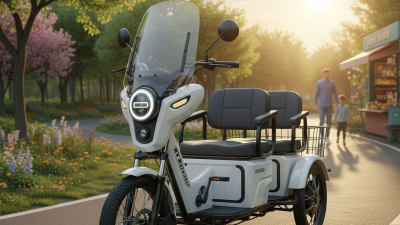
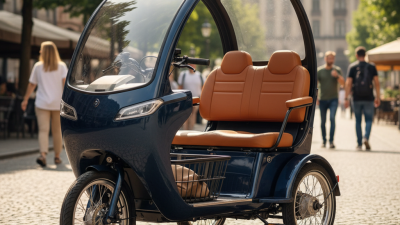
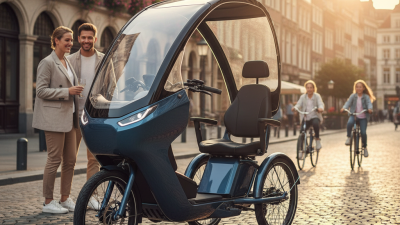
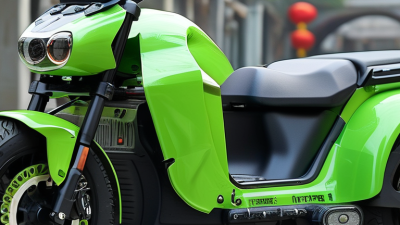
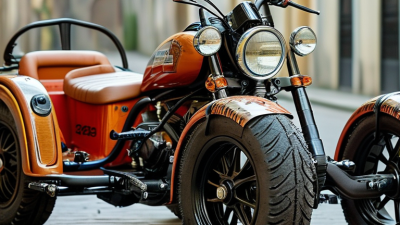
Lately, there's been a real buzz around battery tricycles, and honestly, it makes sense! With folks looking for smarter, greener ways to get around, these rides are catching on fast. I came across a report from the Electric Vehicle Association that says the worldwide market for electric trikes is expected to grow by over 25% every year—that's pretty wild! The main reasons? They're super versatile and practical—perfect for city living where space and convenience matter. Oh, and did you know those battery-swappable electric tricycles are a game changer? You can swap out your drained battery for a fresh one in just a few minutes, which is pretty neat. If you're considering one, it’s worth checking out that article — Battery-Swappable Electric Tricycle.
John Smith, a senior analyst over at GreenTech Innovations, puts it simply: "Getting the right battery tricycle can seriously improve your daily ride." His advice? Know what you need. Think about how far you want to go, how much weight the thing needs to carry, and how long the battery lasts. Some models are packed with cool features, but they tend to come with a higher price tag, so it's all about finding that sweet spot for your budget.
Plus, it’s worth taking your time to avoid common mistakes—like buying a model that might not be super durable or lacking good support. Checking out after-sales service is definitely smart, just to make sure your investment pays off and you’re covered if something goes wrong. At the end of the day, choosing the right battery tricycle can totally change the way you get around—making your travels greener and more convenient, all while fitting your personal needs.
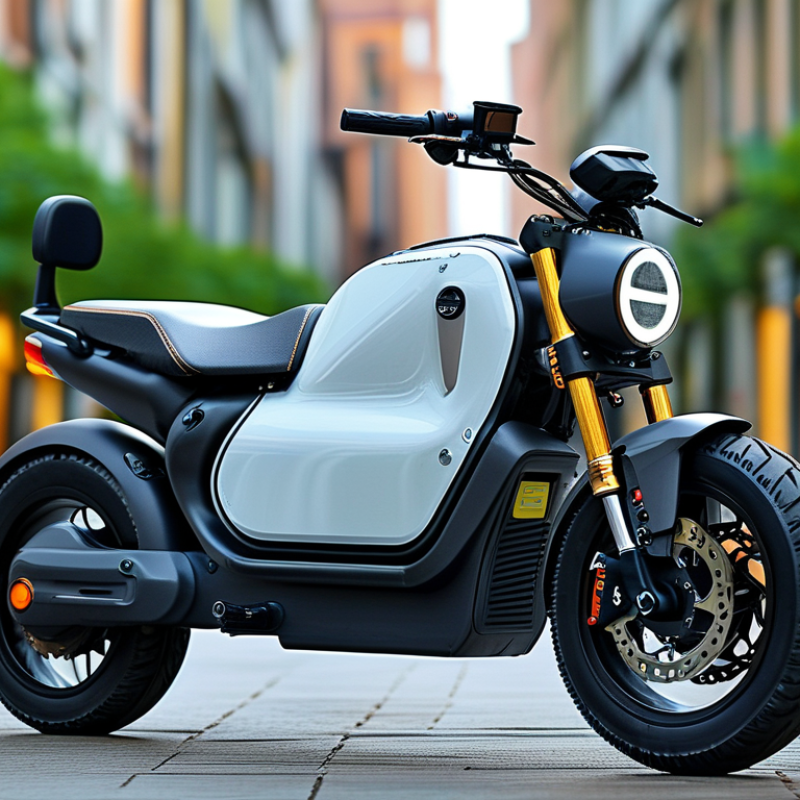
Understanding Battery Tricycles: Key Features and Benefits
When choosing a battery tricycle, understanding its key features is vital. Battery Powered Tricycles offer a unique blend of convenience and efficiency. They are ideal for short trips, commuting, or leisure rides. A strong battery capacity ensures longer rides without frequent recharging. Consider the weight limit and how it suits your needs. Many models can hold more weight, which is essential for carrying groceries or other items.
Comfort features play a significant role. Look for adjustable seats, smooth tires, and a stable frame. These elements enhance your riding experience. Remember, not all tricycles are built the same. Some may lack proper suspension systems, leading to a bumpy ride. Test driving can help you identify these shortcomings.
Tips for picking the right model: Always check the battery life and charging time. A quick charge can save you hassle. Also, investigate the warranty options. This adds an extra layer of reliability to your investment. Lastly, think about storage. Ensure the tricycle can fit in your garage or designated area with ease.
Assessing Your Usage Needs: Recreational vs. Functional Tricycles
When choosing a battery tricycle, it’s crucial to assess your needs. Recreational tricycles are perfect for leisurely rides. They often have a comfortable seat, wider tires for stability, and can handle parks or flat roads with ease. Functional tricycles, on the other hand, are built for utility. They are designed to carry cargo or assist in errands, like grocery shopping.
Tips: Identify the terrain where you will ride most often. If it’s hilly or uneven, look for tricycles with powerful motors. Consider storage options for carrying items if you choose a functional model. Think about the battery range to ensure it meets your daily travel demands.
Additionally, evaluate the size and weight capacity of the tricycle. Some models may feel less sturdy and need improvement. Test different designs to find what feels right for you. If you have mobility issues, ensure the tricycle allows for easy mounting and dismounting. Comfort is key, so take your time in making a decision.
Evaluating Battery Life: Factors Influencing Performance
When evaluating battery life for a Battery Powered Adult Tricycle, several factors come into play. Battery capacity plays a crucial role. Measured in amp-hours (Ah), a higher capacity typically means a longer-lasting ride. For instance, a tricycle with a 20Ah battery can provide over 40 miles of travel on a single charge under optimal conditions. However, actual performance may vary due to terrain and rider weight.
Another important aspect is the type of battery chemistry used. Lithium-ion batteries are now prevalent in modern electric vehicles. They offer better energy density, faster charging times, and longer lifecycle compared to traditional lead-acid batteries. Reports show that lithium-ion batteries can last up to 2,000 charge cycles, significantly extending the lifespan of your tricycle. Conversely, lead-acid batteries might only last about 500 cycles, leading to more frequent replacements.
Temperature also affects battery performance. Cold conditions can reduce battery efficiency, impacting how far you can travel. Many users overlook this, leading to disappointment during winter months. Regular maintenance is also essential. Keeping terminals clean and ensuring proper charging practices can enhance battery life. With various factors at play, it is vital to consider these elements to ensure your Battery Powered Adult Tricycle meets your needs effectively.
Weight Capacity and Frame Design: Ensuring Stability and Comfort
When choosing a battery tricycle, weight capacity and frame design are pivotal. The frame serves as the backbone, influencing stability and comfort. Reports indicate that a well-designed frame can support up to 400 pounds without compromising balance. This stability allows riders to maneuver safely, especially on uneven terrains.
A lighter frame, made from materials like aluminum, can enhance the riding experience. It offers a smooth ride without adding extra weight. However, a lightweight frame must still be durable. Compromising on strength can lead to risks. Comfort is equally important, and features like adjustable seats can make a difference during long rides. Several industry experts suggest that a tricycle's seat should adjust to accommodate different rider heights comfortably.
**Tip:** Always check the weight rating before purchasing. Ensure that the tricycle can handle your weight and any additional load.
Design elements matter too. A wider wheelbase can improve stability, particularly for heavier riders. A narrow design might save space but can affect handling.
**Tip:** Test the tricycle for comfort. Spend a few minutes riding before making a decision.
It’s crucial not to overlook these aspects when making your choice. A poor frame design or inadequate weight capacity can lead to an uncomfortable experience.
How to Choose the Best Battery Tricycle for Your Needs? - Weight Capacity and Frame Design: Ensuring Stability and Comfort
| Model |
Weight Capacity (lbs) |
Frame Material |
Wheel Size (inches) |
Dimensions (L x W x H) |
Comfort Features |
| Model A |
300 |
Aluminum |
20 |
60 x 30 x 40 |
Padded Seat, Adjustable Handlebars |
| Model B |
250 |
Steel |
22 |
58 x 28 x 38 |
Suspension Seat, Ergonomic Design |
| Model C |
350 |
Carbon Fiber |
24 |
65 x 32 x 42 |
Wide Seat, Backrest Support |
| Model D |
270 |
Aluminum |
18 |
62 x 29 x 39 |
Comfort Grip Handles, Adjustable Seat |
Examining Range and Charge Time: What to Expect from Your Tricycle
When selecting a battery tricycle, understanding range and charge time is crucial. Research shows that most electric tricycles offer a range between 20 to 50 miles on a single charge. The variation depends on factors like battery capacity and the rider's weight. This information is pivotal as it helps potential buyers align their choice with their typical usage patterns.
Charge time also plays a significant role in the user experience. On average, charging a battery tricycle can take anywhere from 4 to 8 hours. Fast-charging models may reduce this significantly, but they are often more expensive. According to industry reports, more efficient batteries are being developed, aiming for faster charging times and extended ranges. However, these advancements may not yet be widely available, leading to frustration for some users.
Selecting the right battery tricycle isn't just about specifications. It's essential to consider real-world performance. Some models may not deliver the promised range due to various conditions, such as terrain or weather. Users often report inconsistent charge times that can disrupt their plans. Therefore, while it’s vital to look at specs, real-world reviews and experiences provide valuable insights for making informed decisions.
Comparing Price Points: Budgeting for Quality and Features
When considering a battery tricycle, understanding price points is essential. You may notice a wide range of prices. Budget-friendly options can be appealing, but they often compromise on quality and features. It's crucial to evaluate what you truly need versus what is available. A lower price might mean fewer safety features or weaker batteries.
The Battery Operated Handicapped Tricycle provides various functionalities that can enhance mobility. Higher-end models typically offer improved battery life, better comfort, and advanced safety features. If you want reliability, investing more might be worthwhile. Reflect on how often you'll use it. Frequent users should consider more durable options.
Don't overlook potential hidden costs. Accessories like storage baskets or specialized seating can add up. Carefully think about the long-term value rather than just the initial price tag. It’s essential to balance features and your budget to find the right match for your needs. Every choice you make should enhance your riding experience.
Reviewing Top Brands: Recommendations for Reliable Battery Tricycles
When selecting a battery tricycle, consider various factors to ensure it meets your needs. Look for models with durable construction and solid safety features. Brands that prioritize user experience often receive positive feedback. Always check customer reviews for insights on reliability and performance. Recognizing the importance of brand reputation can guide you in choosing a Battery Tricycle Three Wheeler that suits you best.
Tips: Think about your intended use. Will you ride on smooth roads, or do you need off-road capability? Features like cargo space and comfort should also factor into your decision. A more expensive model may not always mean better reliability. Be wary of flashy designs that compromise practicality.
Also, remember to assess the battery life and charging options. Tricycles with longer-lasting batteries can save you headaches on long trips. Some models have convenient charging ports that are easy to access. A weak battery can lead to frustration during your rides. Researching different battery types is essential to avoid regret later.
Battery Tricycle Comparison
FAQS
: Focus on battery capacity, weight limit, comfort features, and frame stability. Test rides can reveal important details.
Assess if you need a recreational model for leisure or a functional one for errands and cargo. Identify your priorities.
Verify battery life and charging time. Quick recharge options are beneficial for convenience during your daily routine.
Comfort features like adjustable seats and smooth tires significantly enhance your riding experience. A poorly designed seat can ruin rides.
Investigate storage capacity and weight limits. Some models may seem sturdy but can't hold heavy loads effectively.
Recreational models work well on flat roads and in parks. For hilly areas, consider tricycles with more powerful motors.
Yes, warranty options provide assurance and reliability. A lack of warranty might indicate potential quality issues.
Evaluate if the tricycle fits comfortably in your storage space. Poor fit can lead to accessibility problems later on.
Look for good suspension systems and stable frames. Missing these can lead to an unsafe and uncomfortable ride.
Ensure the tricycle design allows easy mounting and dismounting. Comfort is vital, so don't rush your decision.
Conclusion
Choosing the best Battery Tricycle requires a comprehensive understanding of its key features and benefits. First, assess your usage needs, whether for recreational purposes or functional day-to-day tasks. Factors such as battery life, weight capacity, and frame design are crucial in ensuring that the tricycle meets your requirements for stability and comfort. Additionally, consider the range and charge time to set realistic expectations for your riding experience.
Budgeting is also important, as price points can vary greatly based on quality and specific features. Lastly, reviewing recommendations for reliable brands can guide you in selecting a Battery Tricycle that not only fits your needs but also offers durability and performance. By considering these aspects, you can make an informed decision that enhances your riding experience.