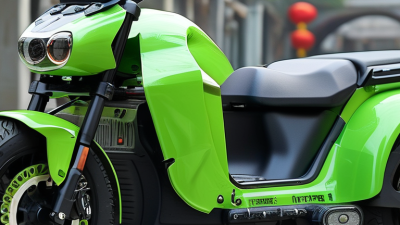
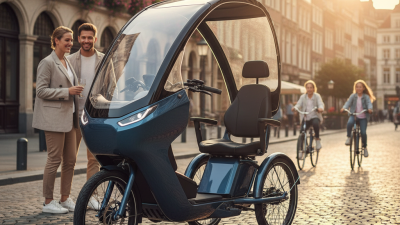
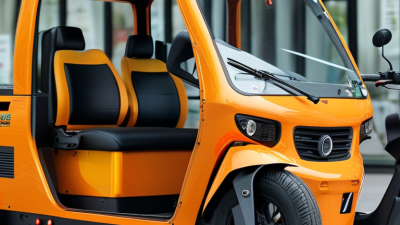
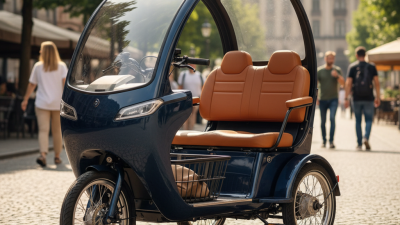
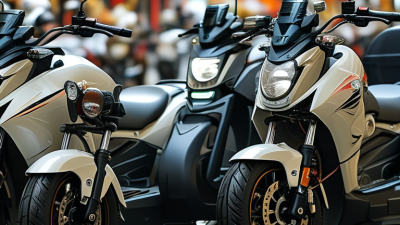
Electric tricycles are really starting to catch on as a cool, eco-friendly way to get around. They kind of strike this nice balance between being efficient and good for the planet. A lot of folks are now checking out the Two Seat Electric Tricycle as a solid option for their daily commutes. This kind of vehicle is super practical, but it doesn't sacrifice on being environmentally conscious either.
Since they run on electric power, these trikes help cut down on carbon emissions, which is a big plus if you're into saving the planet. They're especially handy in city settings, where traffic jams and parking headaches are the norm. And honestly, the fact that they’re so easy to park and maneuver makes them pretty appealing. Of course, some people might be a bit worried about battery life or whether there are enough places to charge—those are definitely things to think about when you're considering getting an electric ride.
Plus, electric tricycles are pretty versatile when it comes to lifestyles. Families might go for the Two Seat Electric Tricycle for quick trips around town, while solo riders could just stick with a single-seater. This kind of flexibility is really showing how transportation needs are changing. That said, if you’re thinking about making a move into electric, it’s a good idea to really consider what you need most. Taking all these factors into account will help you make a smart choice when investing in sustainable transport—and hey, it's kinda exciting to think about cruising around in one of these!
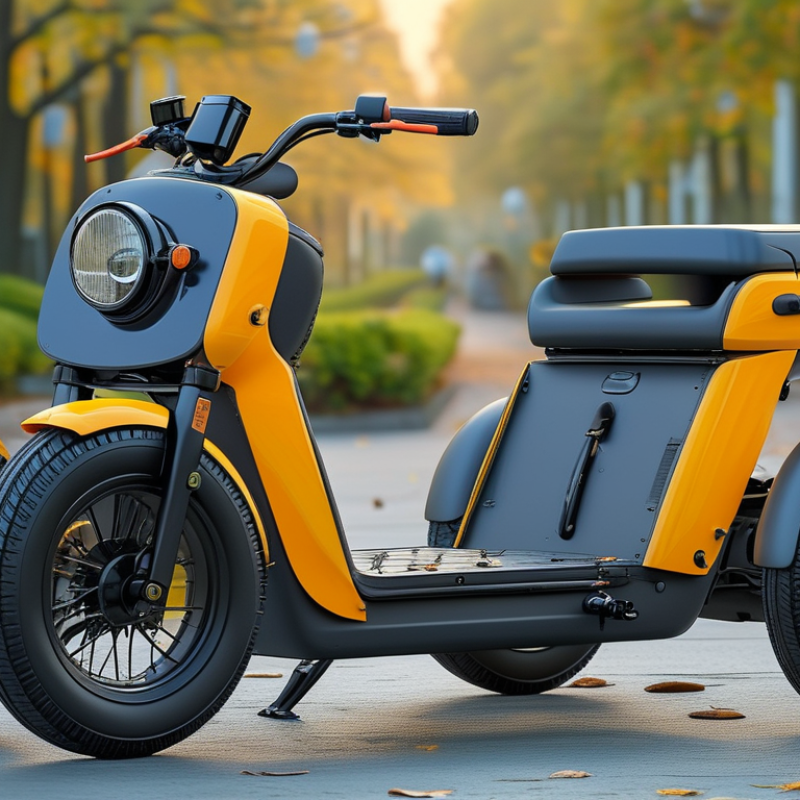
Electric tricycles are gaining popularity as a viable option for eco-friendly travel. They offer a sustainable alternative to traditional vehicles. According to the International Energy Agency, transportation accounts for nearly 25% of global CO2 emissions. Transitioning to electric tricycles can significantly reduce this footprint. These vehicles typically emit zero tailpipe emissions, contributing to cleaner air and less urban pollution.
One report from the European Cyclists' Federation indicates that cycling and, by extension, electric tricycles can reduce greenhouse gas emissions by up to 50% compared to car journeys. Many electric tricycles are made from sustainable materials, further enhancing their positive environmental impact. They often come with energy-efficient batteries that provide a range of up to 60 miles on a single charge, making them practical for daily use.
However, not all electric tricycles are created equal. Many models lack sufficient battery life for longer commutes. Additionally, their higher upfront costs can be a barrier for some consumers. Despite these challenges, the growth of electric tricycles offers a path toward a greener future. The harmonious balance of convenience and sustainability is what makes them appealing for eco-conscious travelers.
Electric tricycles (e-tricycles) are becoming popular for sustainable transportation. Compared to traditional methods, they offer unique advantages. A report from the International Energy Agency states that e-bikes could reduce carbon emissions significantly. An estimated 1.6 billion tons of CO2 could be avoided annually if more people switched to electric options. This shift is crucial as cities seek to lower their environmental impact.
E-tricycles have a smaller footprint than cars. They consume far less energy, resulting in lower operational costs. A study found that e-tricycles can save up to 75% in energy compared to fuel-powered vehicles. The convenience of charging at home or work adds to their appeal. However, it's essential to consider potential challenges, like battery life and range limitations, which may impact daily use.
Tips: When choosing a Tricycle Bike Electric, assess your commute distance and loading needs. Also, research the charging infrastructure in your area. Consider maintenance needs as well. While e-tricycles excel in many areas, they may not be the best fit for everyone.
Electric tricycles are gaining popularity as a sustainable transportation option. They are efficient and environmentally friendly. Many cities are embracing this mode of transport to cut down on carbon emissions. A notable benefit is their lower energy consumption compared to traditional vehicles. An Adult Electric Folding Tricycle can provide a compact solution for urban commuting, making it easier to navigate crowded streets.
These tricycles produce zero tailpipe emissions, a significant advantage in reducing air pollution. By choosing electric, users contribute to cleaner air. Adoption of electric tricycles can decrease reliance on fossil fuels, promoting a shift toward renewable energy sources. However, awareness and infrastructure development are necessary. Many people still hesitate due to misconceptions about range and performance.
Electric tricycles present an opportunity to rethink personal transport. They encourage a shift in mindset from cars to more sustainable options. While the technology is advancing, some challenges remain, such as battery life and charging availability. Continuous innovation will play a role in enhancing reliability. The potential of electric tricycles is immense, pushing us toward a greener future.
Choosing electric tricycles for daily commuting has become an increasingly popular decision. These vehicles offer numerous economic advantages. They are typically more affordable to operate than traditional cars. With no gas expenses, riders can save significant amounts each month. Maintenance costs are generally lower as well since electric systems have fewer moving parts.
Many people overlook the environmental benefits. Reduced emissions can positively impact urban air quality. However, individuals should also consider battery replacement costs. While they are usually minimal, planning for this expense is crucial for long-term savings.
Tips: Always check local incentives for electric vehicles. Some regions offer tax breaks or rebates. Additionally, consider the charging infrastructure in your area. It’s essential to ensure you'll have easy access to power stations. An Electric Passenger Tricycle can be a fantastic solution if these factors align well.
Electric tricycles are becoming popular for sustainable transportation. Their unique design promotes eco-friendliness while offering functional benefits. One important feature is the lightweight frame. It reduces energy consumption during rides. This not only enhances efficiency but also minimizes environmental impact.
The use of electric motors further supports sustainability. They produce zero carbon emissions. This makes electric tricycles ideal for urban commuting. Additionally, the regenerative braking system helps conserve energy. Riders can recharge their batteries while slowing down. However, this feature may not always perform as expected, leading to some riders feeling less energy-efficient than anticipated.
When considering a Street Vending Electric Tricycle, think about battery life. Longer-lasting batteries are essential for daily use. Also, check cargo capacity. It affects how much you can transport. A spacious design might seem appealing, yet heavier loads can lead to faster wear and tear. Balancing these aspects is critical for long-term enjoyment and environmental efficiency.
Public perception of electric tricycles has been steadily changing. As sustainability becomes a focal point, more people see the value in this form of transport. Electric tricycles are eco-friendly, reducing pollution in urban areas. They offer a practical solution for commuting while easing traffic congestion. This shift opens up discussions on how society views alternative transport options.
However, acceptance is not universal. Many still associate electric tricycles with a lack of status. Some believe they are only for low-income users. Misconceptions about speed and ability also hinder broader acceptance. Addressing these perceptions is crucial for embracing electric tricycles fully. Engaging with communities through trials and demonstrations might help.
Education plays a vital role in reshaping views. People need to understand the benefits and functionalities of electric tricycles. Local governments can lead initiatives to promote their use. Awareness campaigns can highlight the cost savings and environmental impact. Reflecting on existing biases is necessary for acceptance. With patience and effort, the tide could turn in favor of this sustainable transport option.
This bar chart represents the public perception of electric tricycles as a sustainable transportation option. The majority of respondents have a favorable view, with 40% expressing a very positive attitude towards electric tricycles.
Electric tricycles represent a promising shift towards sustainable transportation. As cities expand, the demand for eco-friendly travel options increases. Electric tricycles offer a unique blend of efficiency, versatility, and sustainability. They have the potential to reduce urban congestion and lower carbon footprints.
Future trends in electric tricycle development focus on battery technology and design. Innovations aim to enhance battery life and charging speed. Lightweight materials are gaining traction, making tricycles more maneuverable. Their design is becoming more user-centric, appealing to diverse demographics. The trend is toward customization, allowing users to select features suited for their lifestyle.
Tips: Consider local regulations on electric vehicle usage. Ensure the tricycle you choose meets safety standards. It’s also wise to evaluate maintenance requirements. Remember, while electric tricycles are a green option, they still require responsible usage. Reflect on your travel patterns to optimize your choice. This thoughtful approach enhances sustainability.
| Dimension | Value |
|---|---|
| Average Range per Charge | 30-60 miles |
| Top Speed | 15-28 mph |
| Weight Capacity | 300-400 lbs |
| Charging Time | 4-8 hours |
| Environmental Impact (CO2 Emissions) | 0 g per mile |
| Maintenance Frequency | Annual or less |
| Cost Savings Over Gasoline Vehicles | Up to 80% |
| User Demographics | Adults aged 25-60 |
: Electric tricycles are sustainable, energy-efficient, and reduce carbon emissions. They can save up to 75% in energy costs.
They produce zero tailpipe emissions, contributing to cleaner air and decreasing reliance on fossil fuels.
Assess your commute distance, loading needs, and local charging infrastructure. Maintenance requirements are also important.
Battery life and range limitations can impact daily use. Charging availability may also become a concern for some users.
While they excel in many areas, they may not be the best fit for all commuting needs and lifestyles.
Investing in charging infrastructure and raising awareness about their benefits can encourage more people to adopt them.
Misconceptions about range and performance can create doubts about their practicality for daily use.
They encourage consideration of more sustainable options rather than the default use of cars.
Continuous innovation might improve reliability and performance, making them a more prominent choice for transport.
Yes, innovation is ongoing in this field, but challenges like battery longevity still need addressing.
Electric tricycles are emerging as a viable solution for sustainable transportation, offering numerous benefits for eco-friendly travel. They provide an efficient alternative to traditional transportation methods, significantly contributing to the reduction of carbon emissions. With their unique design features, electric tricycles promote sustainability while also presenting economic advantages for daily commuting, such as lower operating costs and reduced traffic congestion.
Public perception of electric tricycles is increasingly positive, reflecting a growing acceptance of these vehicles as a practical and environmentally friendly mode of transport. As the demand for sustainable mobility continues to rise, future trends in electric tricycle development hint at enhanced technology and design innovations that will further support eco-conscious travel. Embracing electric tricycles not only aids in reducing one's carbon footprint but also encourages a shift towards a greener, more sustainable urban landscape.