Leave Your Message
The logistics and short-haul transportation sector in the United States is undergoing a major paradigm shift. For decades, American businesses relied almost exclusively on full-sized cargo vans and light-duty trucks for local deliveries and facility maintenance. However, rising fuel costs, urban congestion, strict emissions regulations, and the explosive growth of e-commerce have forced companies to seek more efficient, agile, and cost-effective alternatives. Enter the 3-wheel cargo motorcycle.
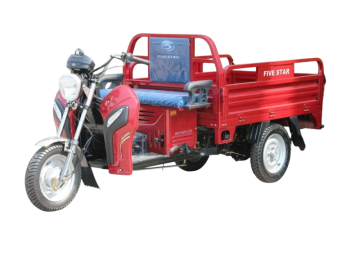
In the United States, three-wheel utility vehicles (often referred to as cargo trikes, utility motorcycles, or heavy-duty tricycles) are carving out a significant niche. They represent an ideal middle-ground between standard two-wheeled delivery bikes and larger four-wheeled commercial vehicles. Unlike traditional vans, cargo tricycles boast a compact footprint that allows them to navigate congested city streets, bypass gridlock, and park in tight spaces where standard delivery trucks cannot go. This agility is drastically reducing the "last-mile" delivery times for urban hubs across the country, from New York City to San Francisco.
Sustainability is no longer just a buzzword in the US corporate world; it is a core business strategy. Municipalities across America are implementing zero-emission zones and offering tax incentives for green fleets. Consequently, the demand for electric and highly efficient water-cooled three-wheel cargo vehicles has surged. Fleet managers for universities, corporate campuses, state parks, and urban delivery networks are actively replacing gas-guzzling utility trucks with high-capacity cargo motorcycles. These vehicles offer a significantly lower carbon footprint, minimal operating costs, and simplified maintenance routines, aligning perfectly with corporate ESG (Environmental, Social, and Governance) targets.
Beyond street logistics, 3-wheel cargo motorcycles are widely used in closed-loop industrial environments. Large-scale manufacturing plants, aerospace facilities, shipyards, and military bases use these robust vehicles to transport tools, spare parts, and personnel across expansive properties. The heavy-duty steel chassis, combined with a high payload capacity, makes them far more practical and durable than standard golf carts, while being significantly less expensive to purchase and maintain than traditional utility terrain vehicles (UTVs).
The versatility of our 3-wheel cargo motorcycles allows them to serve diverse industries and regions across the United States. Here is how different American sectors leverage our vehicles to optimize their daily operations:
In California's premier wine regions, such as Napa Valley and Sonoma County, as well as organic farms throughout the Pacific Northwest, narrow rows and delicate soils make heavy machinery impractical. Our 3-wheel cargo motorcycles are utilized to haul harvested grapes, tools, and irrigation equipment through tight vineyard pathways. Their lightweight footprint prevents soil compaction, while the high-torque engines easily handle hilly terrains and unpaved dirt tracks.
Across the vast landscapes of Texas and the American South, durability is non-negotiable. Ranches, equestrian centers, and large industrial warehouses use our cargo motorcycles for daily hauling of feed, fencing materials, and heavy tools. The upgraded cooling systems and rugged suspension ensure that these vehicles operate reliably under the scorching Southern heat and across rough, uneven pastures.
In the densely populated corridors of the Northeast, traffic congestion makes traditional delivery vans highly inefficient. Courier services and local businesses employ our cargo trikes to execute rapid deliveries of groceries, parcels, and hot food. Being able to park on sidewalks or in designated loading zones without blocking traffic saves delivery drivers valuable minutes per stop, greatly improving overall route efficiency.
In Florida's extensive hospitality industry, maintaining pristine resort properties requires quiet, efficient, and non-intrusive utility vehicles. Maintenance crews, landscaping teams, and housekeeping staff use our cargo vehicles to move linen, cleaning supplies, and landscaping tools across resort grounds, ensuring guest comfort is never compromised by loud, exhaust-heavy trucks.
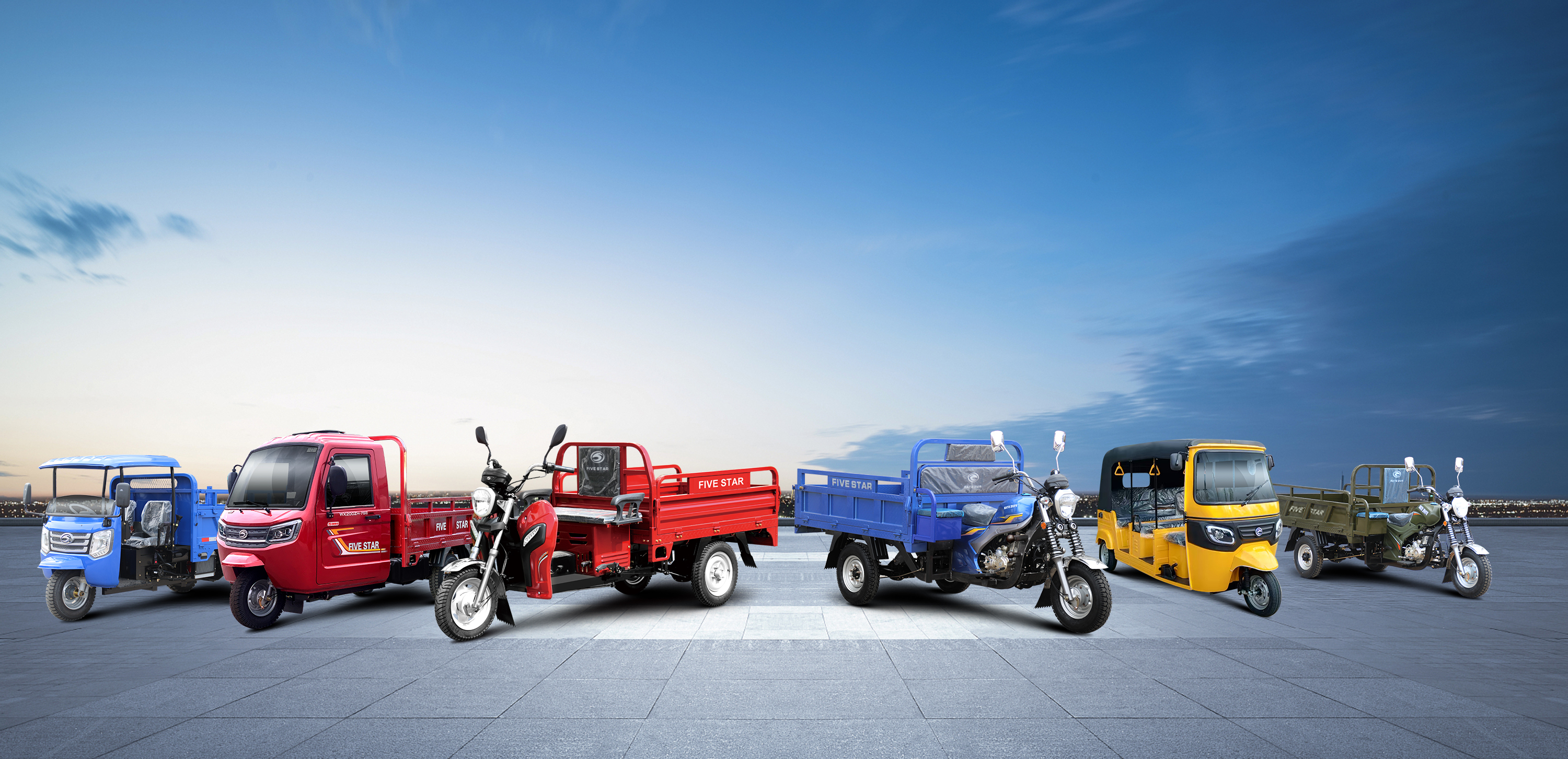
The industry of Shandong Fivestar Vehicle Co., Ltd. began in 1997, and now covers a series of products of three wheeled motorcycles and three-wheeled electric vehicles, and is one of the main manufacturing bases of three wheeled bicycles in China.
In 2021, Weichai Group completed the development strategy, Shandong Fivestar Vehicle Co., Ltd. was established in 2022 to implement a new management model for the vehicle business. In the future, Fivestar Vehicle will rely on the excellent operation platform and leading scientific and technological level of the companies of Weichai Group, focus on products and markets, continue to promote management innovation and scientific and technological innovation, expand business areas, break through high-end technology, create new competitive advantages with first-class products and first-class services, achieve new leap-forward, and lead the development of the industry.
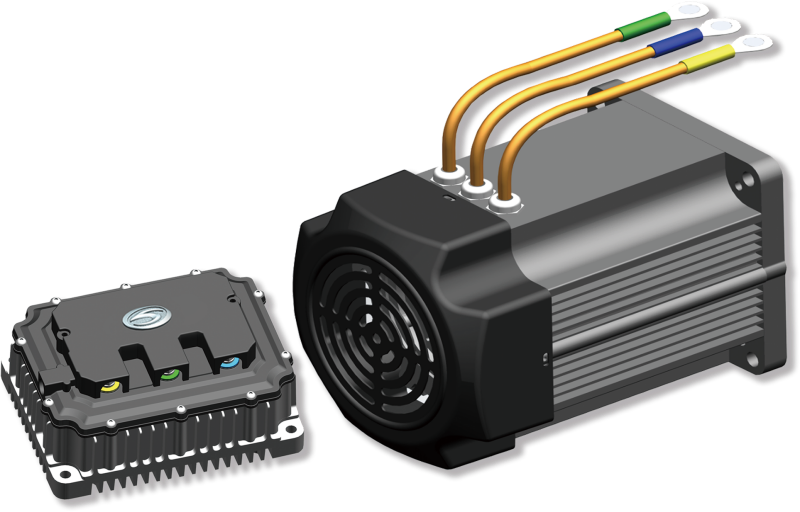
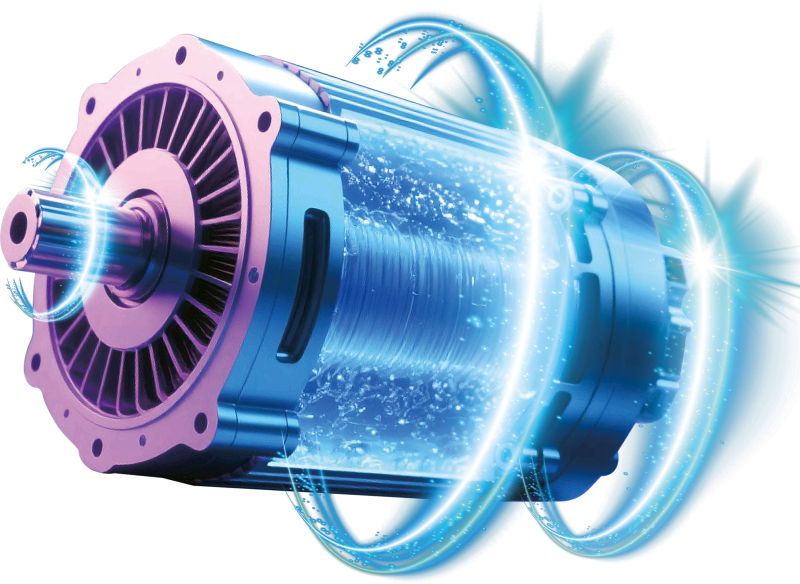
Our state-of-the-art water-cooled engines are engineered to withstand the most demanding workloads. In high-temperature environments across the United States, traditional air-cooled engines can quickly overheat, leading to loss of power and premature wear. Our advanced water-cooling system continuously regulates the engine temperature, ensuring peak performance, reduced fuel consumption, and an extended operational lifespan.
For hardworking individuals, small business owners, and families looking for reliable daily transportation, our three-wheel motorcycles and electric three-wheel vehicles deliver outstanding cost-performance that truly makes a difference. We combine durable construction, stable performance, and low operating costs into every model, ensuring users enjoy long-term use without excessive spending.